
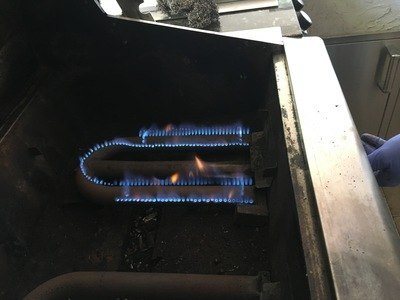
Nothing ruins a cookout faster than a gas grill that lights up, then shuts down seconds later. One moment you are ready to grill steaks or burgers. The next moment, the flame is gone and the food is still raw. This problem happens to new grills and old grills alike. It happens with propane grills and natural gas grills. Many people think it means the grill is broken for good. In most cases, that is not true.
When a gas grill won’t stay lit, the cause is usually a simple issue like blocked burners, weak gas pressure, airflow problems, or a safety part doing its job. Most of these problems can be found and fixed at home without special tools.
Before you give up on your grill or call a repair service, it helps to understand how a gas grill works and why the flame fails. Each fix builds on the one before it. Start with the easy checks. Then move step by step to deeper causes. This guide follows that same path, just like real users search online when the first fix does not work.
Why Won’t My Gas Grill Stay Lit After Ignition?
A gas grill that lights but will not stay lit is telling you something. The ignition spark is working. Gas is reaching the burner. But something stops the flame from staying stable. That “something” usually relates to gas flow, air flow, or safety control.
A gas grill will not stay lit when gas and air are not balanced, or when a safety part limits gas flow to prevent danger.
To understand this problem, it helps to know what happens during ignition. When you turn the control knob, gas flows to the burner. The igniter creates a spark. The spark lights the gas. After that moment, the grill depends on steady gas pressure and clean airflow to keep burning.
Common reasons grills fail after ignition
| Area | What goes wrong | Result |
|---|---|---|
| Gas flow | Weak pressure or regulator lock | Flame dies quickly |
| Burner | Holes blocked by grease or bugs | Uneven or unstable flame |
| Air intake | Venturi tube blocked | Flame lifts or goes out |
| Safety parts | Regulator or valve shuts down | Gas supply stops |
Many users mistake this problem for an ignition failure. That leads them to replace the igniter first. In reality, ignition is only the first step. The real issue often starts after the flame appears.
What to check first
Start with simple checks. Is the gas tank full? Is the valve fully open? Is the grill lid open during startup? These steps sound basic, but skipping them causes many flame problems.
Once you rule out user setup errors, move to the burner and gas system. Each of the next sections focuses on one part of that system and explains how it affects flame stability.
Is a Clogged Burner Causing My Grill to Go Out?
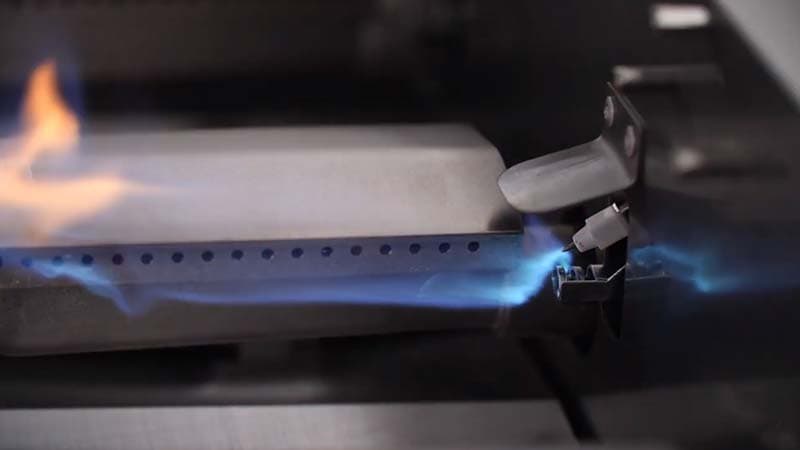
Burners are the heart of your gas grill. They release gas through small holes along the tube. When those holes get blocked, gas cannot flow evenly. That causes weak flames, yellow flames, or flames that die out after lighting.
A clogged burner is one of the most common reasons a gas grill will not stay lit, especially on older or rarely cleaned grills.
Food drips, grease, and seasoning fall onto burners every time you cook. Over time, this buildup hardens. Insects also love burner tubes. Spiders often build nests inside them, especially in warm climates.
Signs of a clogged burner
- Flame is small or uneven
- Flame goes out when lid closes
- Burner lights only on one side
- Flame color turns yellow or orange
How blockage affects flame stability
A burner needs even gas release across its length. When holes are blocked, gas pressure changes. The flame loses balance. It may lift off the burner or shut off completely.
Basic burner cleaning steps
| Step | Action |
|---|---|
| Remove burner | Follow manual instructions |
| Inspect holes | Look for grease or debris |
| Clean surface | Use a wire brush |
| Clear ports | Use a thin pin or paperclip |
| Reinstall | Make sure burner sits straight |
When cleaning is not enough
Burners made from thin steel can rust through. Once holes enlarge or crack, gas flow becomes unsafe. In that case, replacement is safer than cleaning.
Clogged burners often work together with airflow issues. If cleaning helps but does not fully solve the problem, the venturi tube is the next place to check.


Can Low Gas Pressure Make a Grill Flame Die?
Gas pressure keeps the flame alive. When pressure drops, the flame cannot hold itself. It may light for a second, then disappear.
Low gas pressure causes weak flames that cannot stay lit, even when ignition works normally.
Pressure problems differ between propane and natural gas grills. Both types rely on steady flow. Any sudden drop can trigger safety shutoff.
Common propane pressure problems
- Nearly empty tank
- Tank valve opened too fast
- Cold weather reducing pressure
- Regulator safety lock
Common natural gas pressure problems
- Low household gas pressure
- Long or narrow gas lines
- Shared gas appliances running at same time
Regulator safety behavior
Modern regulators are designed to protect you. If they sense a sudden gas surge, they limit flow. This often happens when the tank valve opens too fast.
How to reset a regulator
| Step | Action |
|---|---|
| Turn off grill | All knobs off |
| Close tank valve | Wait 1 minute |
| Reconnect hose | Ensure tight fit |
| Open valve slowly | One full turn |
| Light grill | Lid open |
Why pressure issues are often missed
Pressure problems do not always stop ignition. They show up after ignition, when the grill tries to hold the flame. That makes them easy to confuse with burner or igniter issues.
If pressure resets do not help, the regulator itself may be faulty. That leads directly to the next issue.
Does a Dirty Igniter Stop a Gas Grill Staying Lit?
Many people think igniters only matter at startup. In reality, a weak igniter can affect flame stability in indirect ways.
A dirty or damaged igniter can cause delayed ignition and weak flame buildup, which makes flames easier to go out.
Igniters sit close to the burner. Grease, moisture, and rust affect their performance. A weak spark may light gas unevenly, causing unstable flames.
Signs of igniter trouble
- Clicking sound with slow ignition
- Flame appears far from igniter
- Flame goes out right after lighting
Cleaning the igniter
| Tool | Use |
|---|---|
| Dry cloth | Remove grease |
| Soft brush | Clean electrode |
| Fine sandpaper | Remove corrosion |
When to replace the igniter
If the ceramic insulator cracks or the electrode no longer sparks strongly, replacement is better than repair. Igniters are inexpensive and easy to change.
Still, igniters rarely act alone. If the flame dies even with manual lighting, the problem is usually deeper in the gas system.
Is the Regulator the Reason My Grill Keeps Shutting Off?
The regulator controls gas flow and pressure. It also acts as a safety guard. When it fails, the grill may light and then shut down without warning.
A faulty regulator can limit gas flow so much that the flame cannot stay lit.
How regulators fail
- Internal diaphragm wear
- Moisture inside regulator
- Long-term heat exposure
- Manufacturing defects
Symptoms of regulator failure
| Symptom | Meaning |
|---|---|
| Weak flame on all burners | Gas flow restricted |
| Flame dies when knobs increase | Regulator cannot adjust |
| Reset does not help | Internal damage |
Replacement considerations
Always match regulator type to fuel type. Never mix propane and natural gas regulators. Incorrect regulators create safety risks.
If a new regulator does not solve the issue, airflow problems should be checked next.
Can Wind Blow Out a Gas Grill Flame Easily?
Wind is an external factor many users overlook. Strong airflow disrupts flame stability, especially on grills without proper flame protection.
Wind can blow out gas grill flames by breaking the balance between gas flow and air intake.
When wind causes problems
- Grilling on open patios
- Rooftop or balcony grilling
- Missing flame tamers
- Thin metal fireboxes
Flame tamers and wind protection
Flame tamers shield burners from direct airflow. When they rust or warp, wind reaches the flame directly.
Simple wind fixes
| Fix | Result |
|---|---|
| Reposition grill | Less direct wind |
| Replace flame tamers | Better flame shield |
| Use lid wisely | Controls airflow |
Wind issues often appear together with venturi tube problems, which affect how air mixes with gas.

Does a Faulty Gas Valve Cause Flame Failure?
Gas valves control how much gas enters each burner. When they wear out, flow becomes unstable.
A faulty gas valve can interrupt gas flow and cause flames to die suddenly.
Valve failure causes
- Internal corrosion
- Grease buildup
- Heat damage over time
Warning signs
- Knob turns loosely
- Gas smell near valve
- Flame cuts off at random
Valves are safety-critical parts. If a valve is damaged, replacement is the only safe option. Repairs are not recommended.
Should I Check the Venturi Tube for Blockage?
The venturi tube mixes gas with air. Without proper airflow, the flame cannot stay lit.
A blocked venturi tube causes poor air mixing, which leads to unstable or dying flames.
Common venturi blockages
- Spider webs
- Insect nests
- Dust and grease
How blockage affects flame
| Issue | Result |
|---|---|
| Reduced air | Yellow flame |
| Uneven mix | Flame lifts |
| Severe block | Flame goes out |
Cleaning steps
Remove the burner and inspect the tube. Use compressed air or a long brush. Never enlarge the tube opening.
Prevent future blockage by covering grill vents during storage.

When Should I Replace Parts If My Grill Won’t Stay Lit?
Cleaning solves many problems. Replacement becomes necessary when parts wear out or fail safety checks.
You should replace grill parts when cleaning no longer restores stable flame or when safety is at risk.
Parts with limited lifespan
| Part | Typical lifespan |
|---|---|
| Igniter | 2–4 years |
| Regulator | 5–10 years |
| Burner | 5–7 years |
Cost versus safety
Replacing parts often costs less than replacing the grill. But safety always comes first. Gas leaks or unstable flames should never be ignored.
Conclusion
A gas grill that will not stay lit usually fails for simple reasons. Blocked burners, low gas pressure, airflow problems, or worn safety parts cause most flame issues. Each problem builds on the last. That is why step-by-step checks work best. Start with burners and gas supply. Then move to regulators, airflow, and valves. Regular cleaning and proper storage prevent most issues before they start. When parts wear out, replacing them restores safe and steady grilling. With the right checks, most grills can return to reliable performance without major repairs.