
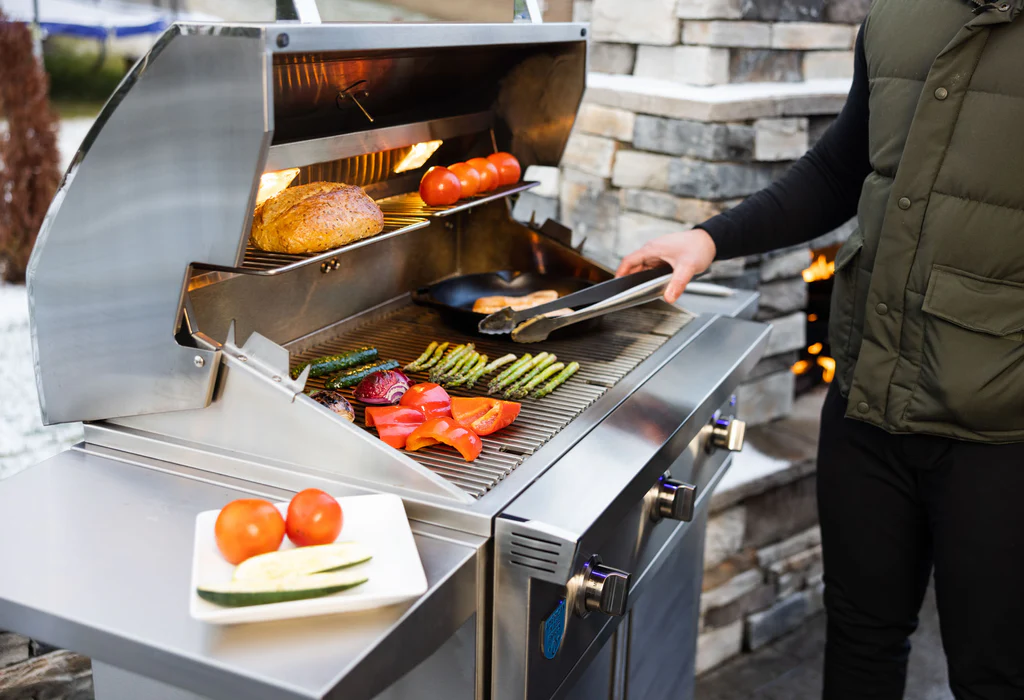
When people gather outside and stand near a warm gas grill, something simple happens. Food looks better. It smells better. It even tastes better. Many cooks notice this each weekend and wonder why the flavor seems deeper and richer than food made indoors. The change feels natural, and most people accept it without question. Still, there is a real reason behind this effect, and it is not only about the weather or the happy mood around a backyard meal.
Cooking on a gas grill makes food taste good because high, dry heat triggers browning reactions, builds crust, sharpens aroma, and changes texture. These reactions create new flavor compounds that do not form in a pan or an oven. Gas grills heat fast and keep stable temperatures, so these reactions happen easily.
People often feel curious about how these changes work. They want to know why grilled chicken tastes sweeter, or why grilled steak smells stronger. They also want to know how a gas grill compares with charcoal and why gas still delivers strong flavor when used the right way. These questions guide the rest of this article, and each section explains the science in simple steps.
What Happens to Food When You Cook on a Gas Grill?
When food meets direct heat on a gas grill, it changes fast. The surface dries. The color shifts. The edges darken. These steps happen even before you flip the food. Many cooks do not notice the early stages, but these small changes set up the flavor that comes later. The grill works like a heat lamp, but stronger. It removes moisture fast and builds a dry surface that becomes ready for browning. The air around the food also stays dry, so the crust forms without boiling or steaming.
Gas grills heat in a steady way, so the surface of meat or vegetables stays in the right temperature zone for browning. A pan on a stove cools down each time you add food. A gas grill keeps its heat, so the cooking feels smoother and more controlled. This single detail explains why people often get better color outside than inside.
Surface Changes on a Gas Grill
Here is a simple table that describes how food changes when exposed to gas grill heat:
| Stage | What Happens | Why It Matters |
|---|---|---|
| Drying | Moisture leaves the surface | Prepares for crust formation |
| Browning | Amino acids react with heat | Adds deep flavor notes |
| Caramelizing | Sugars melt and darken | Adds sweetness and aroma |
| Charring | Small burnt spots form | Adds smoky and bitter tones |
These changes happen more clearly on a grill because the heat is dry and the air flows around the food. A gas grill also keeps the temperature stable, so browning reactions do not stop and restart. The steady heat gives the food time to develop flavor without losing texture.
Why These Reactions Build Flavor
When the surface begins to brown, many tiny compounds form. These compounds mix with steam, smoke, and fat droplets to create aroma. The air around the grill fills with smell, and your brain prepares for a strong flavor experience. This effect is simple, yet powerful. Most people taste better when they smell better. This is one reason why grilled food seems more enjoyable, even before the first bite.
The heat also pushes fat out of meat. This fat hits the metal plates or flames and burns slightly, sending new scent molecules into the air. These scents travel fast, and people often describe them as “grill flavor.” The flavor does not come from the metal itself. It comes from the fat burning in small bursts.
Gas grills make this easier because they respond fast to temperature changes. If you want more browning, you increase the heat. If you need less, you turn it down. This control helps cooks avoid burning food while still creating deep flavor.
How Does the Maillard Reaction Improve Grilled Flavor?
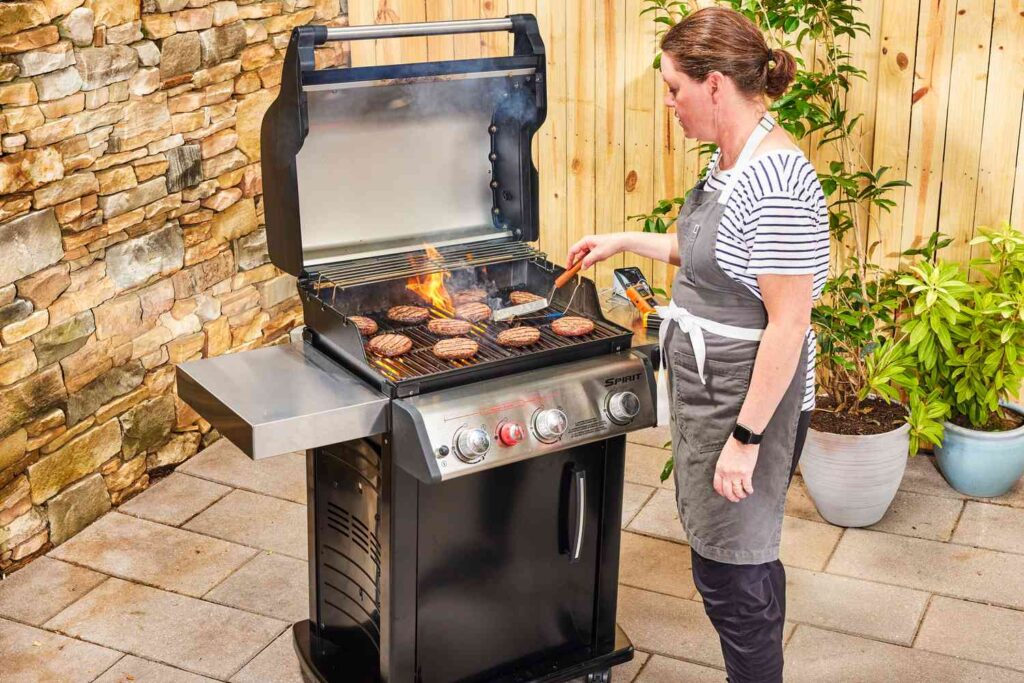
The Maillard reaction makes grilled food taste rich and complex. This reaction starts when amino acids meet simple sugars at high heat. The process forms hundreds of new flavor compounds. People enjoy these compounds because they remind them of toast, roasted nuts, baked bread, chocolate, and seared steak. These flavors trigger comfort memories and make grilled food feel satisfying.
The Maillard reaction starts at about 285°F (140°C). A gas grill reaches this temperature zone in minutes. This fast access to browning is one reason gas grills feel easy to use. The reaction happens on meat, vegetables, bread, and even fruit. Anything that contains protein or sugars can form this rich taste.
Why Gas Grills Trigger the Maillard Reaction Easily
Gas grills produce dry heat. This is important because water slows down browning. A wet surface forces the temperature to stay near boiling until the water evaporates. A dry surface jumps straight into browning. This is why cooks pat steak dry before placing it on the grill. The grill helps speed up this drying even more.
Here is a simple table that compares browning speed:
| Cooking Method | Browning Speed | Reason |
|---|---|---|
| Gas Grill | Fast | Dry heat + stable temperature |
| Oven | Medium | Moist air slows browning |
| Pan Frying | Medium | Works well but cools when food is added |
| Boiling | No browning | Water blocks Maillard reaction |
What the Maillard Reaction Adds to Gas Grill Flavor
The Maillard reaction creates:
- Nutty notes
- Sweet tones
- Toast-like smells
- Slight bitterness
- Roasted aromas
These flavors mix with small bits of char and natural fat drippings. Together, they create the classic taste people expect from a grill.
This reaction does not happen the same way indoors. Stovetops cannot match the airflow or dryness of a grill. Ovens can brown food, but they do not burn fat in the same way. The grill creates a full flavor system. The smell rises. The crust forms. The texture changes. Each part supports the final bite.
You can control the reaction by adjusting heat zones. Searing on high heat starts the reaction fast. Moving food to a cooler zone builds the inside texture without burning the outside. Gas grills allow easy control because the heat knobs change temperature immediately.
Why Do Gas Grills Create Better Searing Results?
Gas grills create clear, strong sear marks because the grates hold heat. When you place meat on a hot grate, the metal transfers heat into the surface quickly. The fast burst of heat creates dark lines that taste slightly bitter and slightly sweet. These lines add contrast to each bite.
Gas grills keep these grates hot because the burners fire continuously. A stovetop pan loses heat each time you move the food. The grill does not. This steady heat makes searing more predictable.

What Makes a Good Sear
A good sear has:
- A dry surface
- High heat
- Clean metal contact
- No steam
- Short cooking time
Gas grills help meet these conditions because they offer direct heat zones. You can preheat the grill for ten minutes. This makes the grates hot enough for strong marks. Then you place the meat down and avoid moving it too soon. The heat stamps the metal pattern into the surface.
Table: Heat Zones on a Gas Grill
| Zone | Temperature | Best Use |
|---|---|---|
| High Heat | 450°F+ | Searing |
| Medium Heat | 350–400°F | Browning + Cooking Through |
| Low Heat | 250–300°F | Slow finishing |
Searing adds flavor because it forms crust. The crust locks in juices. The crust holds new flavor molecules. The crust gives texture that contrasts with the softer inside. This contrast makes each bite feel complete.
Many cooks fear burning food when using high heat. A gas grill solves this because you can turn down the burner under the food after searing. This stops burning but keeps cooking. This control makes grilling feel easy even for beginners.
What Makes Grilled Food Smell So Appealing?
Smell controls how people taste. A strong smell makes people expect strong flavor. Grilled food smells good because the heat lifts aroma molecules into the air. The smell comes from fat burning, sugars caramelizing, and meat juices hitting hot surfaces.
When these small bursts of smoke reach your nose, your brain starts to prepare for eating. This process happens before you take a bite. It changes your mood and increases your hunger.

How Smell Builds Flavor
There are several scent sources:
- Burning fat
- Browning proteins
- Caramelized sugars
- Natural juices steaming
- Wood chips (if used)
These scents come from the surface reactions. They float in the air because the grill is open. Indoor cooking traps scent inside a pan or oven. Outdoor grilling spreads the aroma widely. This creates a social effect. The smell invites people to gather near the grill.
Aroma Types Produced by Grilling
| Reaction | Smell Type | Description |
|---|---|---|
| Maillard | Roasted | Bread, coffee, nuts |
| Caramelization | Sweet | Sugar, fruit, syrup |
| Fat Drip Smoke | Smoky | Meat, campfire notes |
| Char Spots | Bitter | Balanced burnt tones |
The smell also signals doneness. Experienced cooks can tell when chicken is close to ready based on scent. The smell becomes fuller and deeper when the surface has browned enough.
Gas grills help with aroma because they heat evenly. Uneven heat creates burnt smell instead of grilled smell. The clean burning of gas keeps the scent pure. There is no added fuel odor, so the smell comes only from the food.
Does Gas Grilling Make Food Healthier?
Gas grilling can make food healthier because it uses less oil. The food cooks with hot air and metal contact, not deep fat. A grill also lets extra fat drip away. This lowers fat content in the final dish. Many doctors see this as a benefit for people who want to reduce calories.
Gas grills do not require chemical starters or lighter fluid. This keeps the process clean. The flame burns hot and steady. The food picks up flavor from the cooking process, not from additives.
Table: Health Differences Between Common Cooking Methods
| Method | Oil Needed | Fat Retained | Flavor Strength |
|---|---|---|---|
| Gas Grill | Very little | Lower | Strong |
| Pan Fry | Medium to high | High | Medium |
| Deep Fry | High | Very high | Strong but heavy |
| Oven Bake | Low | Medium | Mild |
Health Notes for Gas Grilling
- Food loses fat naturally
- No extra oil needed
- High heat makes clean flavor
- Less smoke than charcoal
- Easy temperature control prevents burning
Burning food can create compounds that people want to avoid. Gas grills reduce this risk because you can lower heat instantly. Charcoal does not allow this same control.
How Do Gas Grill Temperatures Affect Flavor?
Temperature shapes flavor. High heat creates crust. Medium heat cooks the inside. Low heat finishes thicker cuts. A gas grill makes these heat zones easy to manage. You use the knobs to set each area. This gives you a clear cooking plan.

Why Heat Zones Matter
Heat zones let you:
- Sear without burning
- Cook thick cuts evenly
- Avoid dry meat
- Keep vegetables crisp
- Manage multiple foods at once
Here is a simple table of food types and heat levels:
| Food | Best Temperature | Notes |
|---|---|---|
| Steak | High + Medium | Sear then finish |
| Chicken Breast | Medium | Avoid burning the outside |
| Burgers | Medium High | Build crust, keep juicy |
| Vegetables | Medium | Prevent charring |
A gas grill keeps the heat steady. When heat stays steady, flavor develops more evenly. No part of the food becomes overcooked while another part stays raw. Slow changes in temperature give you more control.
Temperature also shapes moisture. High heat dries the surface fast. This is good for browning. Low heat keeps moisture inside. This is good for tenderness. Many cooks use both steps for one dish.
Gas grills respond fast, so you can adjust heat anytime. This makes the grill feel more like a tool than a challenge.
What’s the Difference Between Gas and Charcoal Flavor?
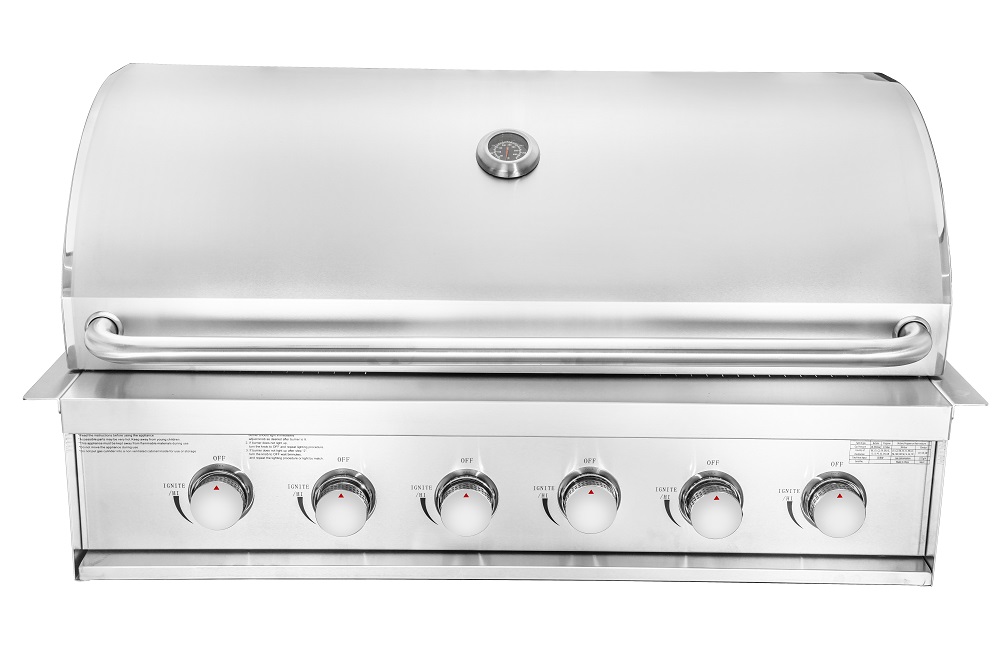
Gas grills make clean flavor. Charcoal grills make smoky flavor. Both have benefits. Gas gives control. Charcoal gives strong aroma. Still, gas grills can build deep flavor without smoke because they use high heat to create browning reactions.
Gas grills burn clean fuel, so the flavor comes from the food. Charcoal burns in a way that adds wood smoke. Some people like this. Some people prefer a cleaner profile.
Table: Gas vs Charcoal Flavor Comparison
| Feature | Gas Grill | Charcoal Grill |
|---|---|---|
| Flavor | Clean, pure | Smoky, strong |
| Heat Control | Easy | Slow to adjust |
| Burn Time | Long and even | Depends on fuel |
| Aroma | From food | From fuel |
Gas grills produce stable heat, so they give a consistent result. Charcoal grills need practice. Gas grills also start fast. This makes them ideal for weekday meals. Charcoal feels better for long weekend cooking.
You can add wood chips to a gas grill if you want more smoke. This helps you mix both styles.
How Can You Get More Smoky Flavor on a Gas Grill?
Many cooks want the ease of gas but the flavor of smoke. You can do this by adding wood chips. You place the chips in a smoker box or foil pouch. You heat the grill on low or medium. The chips smoke slowly and flavor the food.
You can also use indirect heat. This means turning off one burner and placing the food over that burner. The other side stays on. This creates a slow-cooking zone that absorbs smoke better.
Wood Types and Their Flavor Notes
| Wood | Flavor | Best For |
|---|---|---|
| Hickory | Strong | Pork, beef |
| Apple | Sweet | Chicken, vegetables |
| Cherry | Mild sweet | Poultry |
| Mesquite | Sharp | Beef |
These chips burn clean on gas grills. They give a smoky smell without overpowering the dish.
Gas grills also let you hold smoke at steady temperature. Charcoal heat rises and falls. Gas keeps smoke even. This builds flavor slowly.
Which Spices Work Best on a Gas Grill?
Spices change on a grill because heat opens their oils. The dry air helps these oils spread across the food. Some spices burn at high heat. Some release aroma slowly. Gas grilling gives you control so you can decide how strong you want the spice flavor to be.
Good Spice Types for Grilling
| Spice Type | Effect |
|---|---|
| Paprika | Sweet color |
| Garlic Powder | Strong aroma |
| Black Pepper | Heat and depth |
| Cumin | Warm earthy tone |
| Chili Powder | Mild heat |
Why Spices Work Well on Gas Grills
Gas grills make spice flavor clear. There is no smoke from fuel to mask the spice. The dry heat wakes up the oils fast. The stable temperature stops spices from burning.
Rubs work better than liquid sauces for high heat. Sauces burn fast. Rubs stay on the surface. They mix with browning reactions to create deeper flavor.
You can add sauce near the end if needed. This builds shine without burning the sugar.
How Do You Avoid Burning Food on a Gas Grill?
Burning happens when the heat is too high or the food stays in one place too long. You can avoid this by using heat zones, flipping often, and keeping the grates clean. Burnt food tastes bitter. A small amount can add interest. Too much ruins the dish.
Tips to Avoid Burning
| Tip | Reason |
|---|---|
| Preheat the grill | Gives even start |
| Oil the grates | Prevents sticking |
| Use medium heat for most foods | Gives control |
| Move food between zones | Prevents hot spots |
| Clean the grill often | Removes burnt residue |
Gas grills help because the heat changes fast. If you see burning, you turn down the knob. This is harder on charcoal.
Avoid cooking on flare-ups. When fat burns under the food, lift the food and move it. The flare will settle. Then return the food to a safe zone.
Burning does not equal browning. Browning adds flavor. Burning hides it. Learning the difference gives you more control.
Why Does Clean Grill Equipment Improve Flavor?
Clean grates make food taste better. Old grease sticks to food and changes the flavor. Burnt residue gives a bitter taste. Many new cooks do not clean enough. They fear damaging the grill. Gas grills are easy to clean, and the process takes only a few minutes.

Why Clean Grates Matter
Clean metal transfers heat better. This gives better sear marks. Clean metal also prevents sticking. Sticking tears the surface and removes crust.
Old residue can burn and create smoke. This smoke is not the same as wood smoke. It tastes sour and harsh. Removing residue removes this risk.
Cleaning Steps
| Step | Action |
|---|---|
| Heat | Run grill on high for 5 minutes |
| Brush | Use a grill brush to scrape grates |
| Wipe | Use a cloth with light oil |
| Empty | Remove old grease tray debris |
Clean grates help the browning reactions work. They give the food a fresh surface that does not interfere with flavor.
Conclusion
Gas grills make food taste good because they create perfect browning conditions. The dry heat, stable temperature, and open air build strong aroma and rich crust. These reactions shape flavor in a simple and natural way. Gas grills also give control, so cooks can sear, finish, smoke, and adjust heat without fear of burning. This control makes the grill feel like a reliable tool. It helps beginners succeed and gives skilled cooks more options.
The science behind browning explains why grilled food feels special. Flavor grows through reactions. Smell rises through heat. Texture changes through moisture loss. All these steps work together. When you understand them, you see why people return to the grill again and again. The gas grill does not just cook food. It builds moments that people remember.