
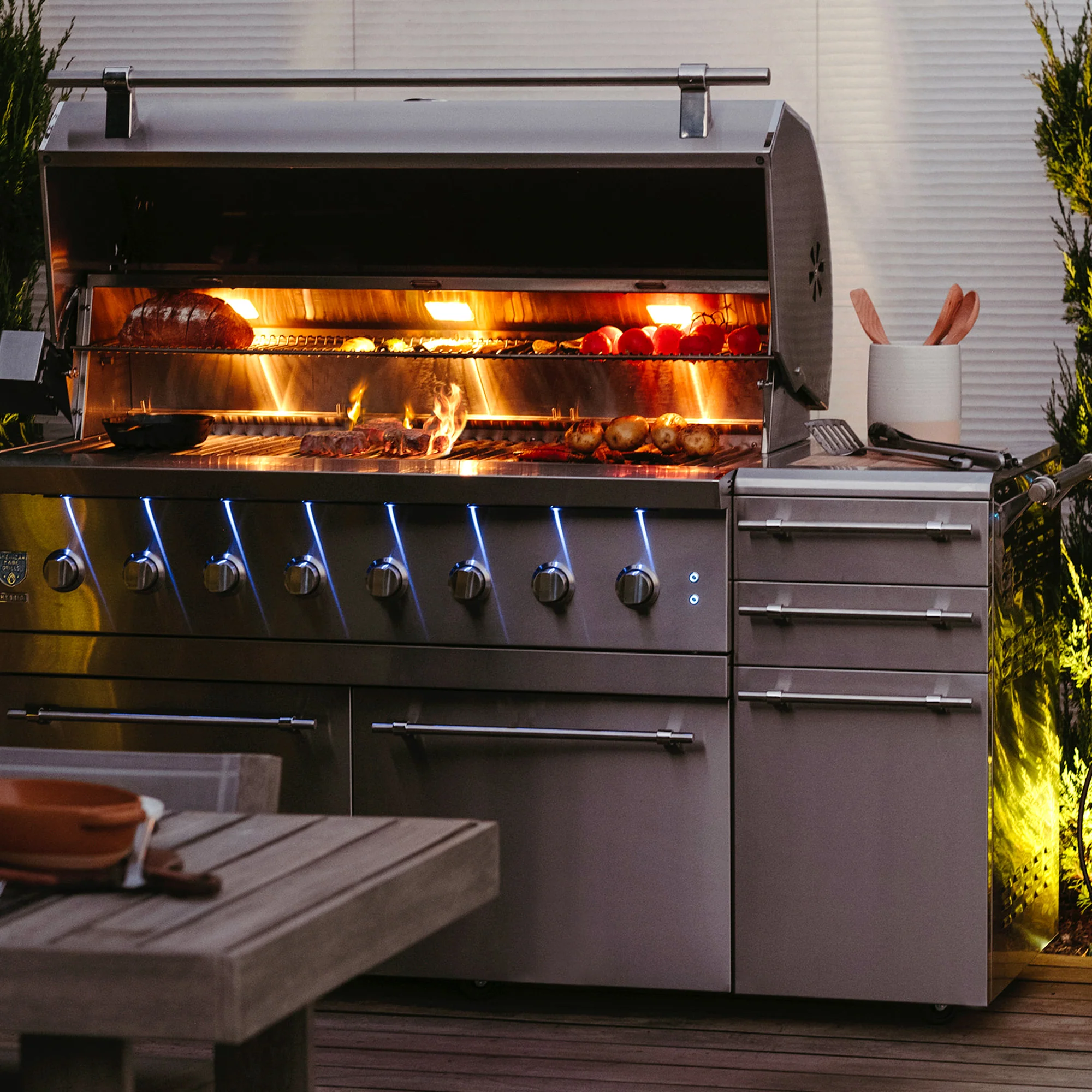
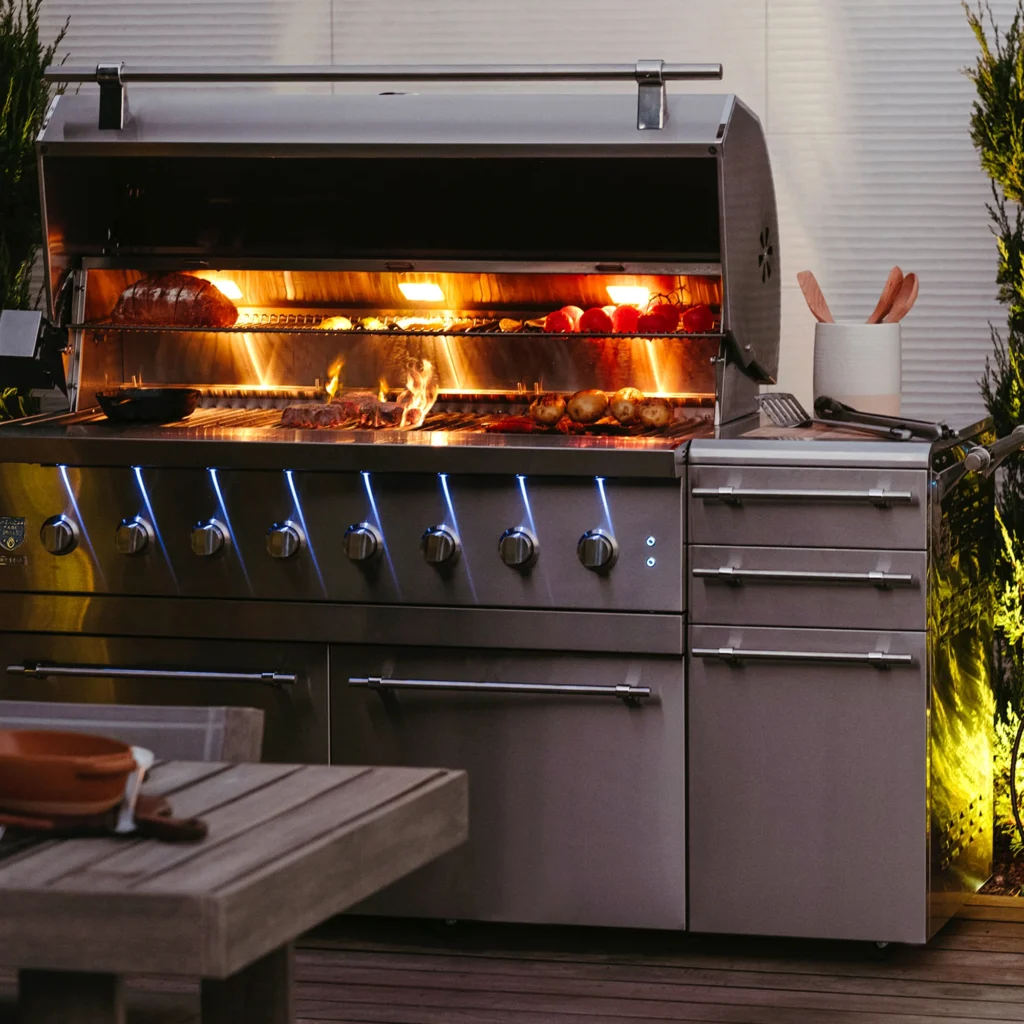
Grilling looks simple on the surface. You turn on the gas, place food on the grate, and wait. But most grilling problems start with poor heat control. Burned outsides, raw centers, dry meat, or food that cooks too fast all point to the same issue. Heat is not being used in the right way. Many people own good gas grills but never learn how to control heat zones. That is why results feel random instead of repeatable.
Direct and indirect grilling are two basic heat methods that decide how food cooks on a grill. Direct heat cooks food fast over open flames, while indirect heat cooks food slowly using surrounding heat. Learning when and how to use each method helps you control doneness, texture, and flavor with much better results.
Once you understand heat zones, grilling stops being guesswork. You can plan each cook instead of reacting to problems. Steaks sear without burning. Chicken cooks through without drying out. Large cuts finish evenly. The rest of this guide breaks down direct and indirect grilling step by step, using simple language and real examples you can apply on any gas grill.
What Is Direct Grilling and How Does It Work?
Direct grilling is the most common grilling method. It is also the one people misuse the most. When food sits directly above a lit burner, it receives strong heat from below. This heat cooks fast and creates browning on the surface. That browning adds flavor and color. It also carries risk if timing is off.
Direct grilling works by placing food over active burners so heat transfers straight from flame to grate to food. This method is best for thin foods that cook quickly and benefit from surface browning.
How direct heat transfers to food
Heat moves in three ways on a grill. Direct grilling uses all three at high levels.
- Flame heat rises from the burner
- Metal grates hold and pass heat
- Hot air surrounds the food
This mix creates intense cooking conditions. Food reacts fast. You get crust and grill marks in minutes.
Foods that fit direct grilling best
Direct grilling works best for foods under 1 inch thick. These foods cook before the surface burns.
Examples include:
- Steaks
- Burgers
- Hot dogs
- Fish fillets
- Thin pork chops
- Vegetables like peppers and zucchini
Common problems with direct grilling
Many people leave food over direct heat for too long. This causes burning outside while inside stays undercooked. Fat dripping onto flames can also cause flare-ups.
To reduce risk:
- Keep the lid open for thin foods
- Watch color instead of time
- Move food often
Direct grilling temperature guide
| Food Type | Ideal Heat | Approx. Time |
|---|---|---|
| Steak (1 inch) | High | 3–5 min per side |
| Burger | Medium-high | 4–6 min per side |
| Fish fillet | Medium | 3–4 min per side |
| Vegetables | Medium | 总共 5–8 分钟 |
Direct grilling rewards attention. It demands timing. When used correctly, it gives fast results and strong flavor.
What Is Indirect Grilling and When Should You Use It?
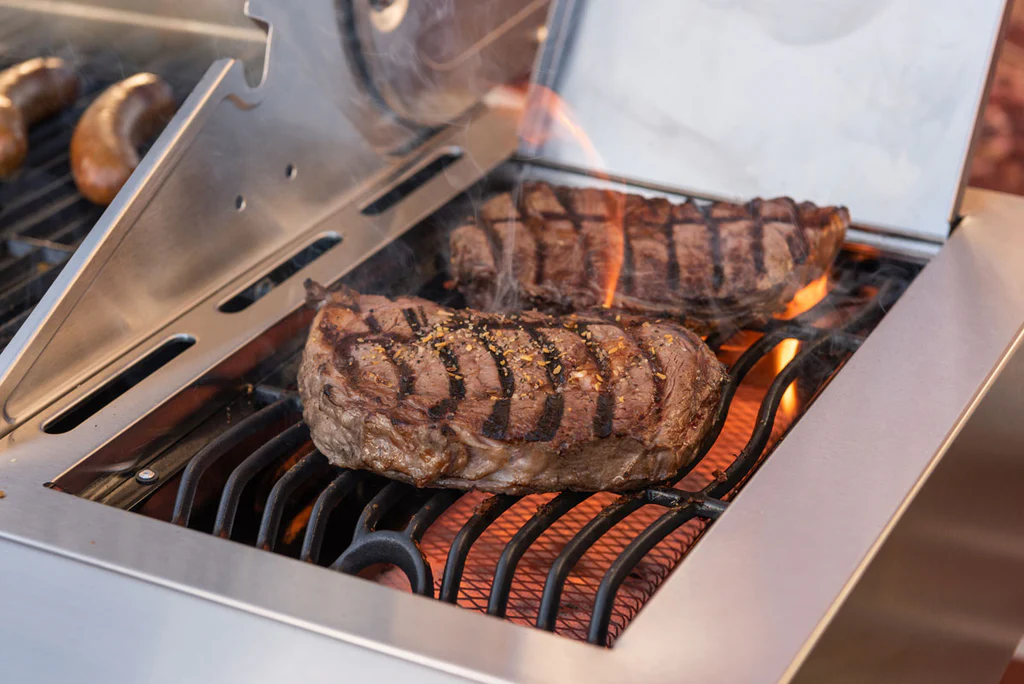
Indirect grilling is slower and more controlled. Food does not sit over the flame. Instead, burners on one side heat the grill, while food rests on the unlit side. This method acts like an outdoor oven.
Indirect grilling works by cooking food with surrounding heat rather than direct flame contact. It is best for thick cuts and foods that need longer cooking time.
How indirect heat works on a gas grill
Indirect heat relies on hot air movement. The grill lid traps heat. Air circulates around the food. This cooks evenly without burning the surface.
The flame never touches the food. This lowers risk and gives more control.
When indirect grilling works best
Indirect grilling fits foods that need time to cook through.
Common examples:
- Whole chicken
- Ribs
- Thick pork chops
- Large roasts
- Bone-in cuts
Indirect grilling benefits
This method reduces stress. Food cooks more evenly. You can walk away longer without fear of burning.
Other benefits:
- Less flare-ups
- Better internal doneness
- Softer texture
Indirect grilling temperature guide
| Food Type | Ideal Heat | Approx. Time |
|---|---|---|
| Whole chicken | Medium | 60–90 min |
| Ribs | Low-medium | 2–3 hours |
| Pork roast | Medium | 90–120 min |
| Thick chops | Medium | 25–40 min |
[Image placeholder: food placed away from burners]
Indirect grilling gives control. It trades speed for consistency. For many foods, that trade is worth it.
What Foods Are Best for Direct Grilling?
Choosing the right foods matters more than the grill itself. Some foods respond well to high heat. Others fail fast.
Foods best for direct grilling are thin, tender, and quick-cooking, allowing surface browning without long exposure to heat.
Key traits of direct-grill foods
Foods that work well share similar traits:
- Thin size
- Low connective tissue
- Short cooking time
These foods cook fully before surface burns.
Best direct grilling foods
- Beef steaks (ribeye, strip)
- Ground meat patties
- Fish fillets
- Shrimp
- Sausages
- Flat vegetables
Foods to avoid direct grilling
Large or tough foods fail over direct heat.
Avoid:
- Whole poultry
- Thick roasts
- Bone-heavy cuts
These need time that direct heat does not allow.
Direct grilling food checklist
| Question | If Yes | If No |
|---|---|---|
| Under 1 inch thick? | Direct | Indirect |
| Cooks under 10 minutes? | Direct | Indirect |
| Needs crust? | Direct | Mixed |
[Image placeholder: steak searing on grill grates]
Matching food to method removes guesswork. Direct grilling works best when food fits the method.
What Foods Cook Better With Indirect Heat?
Indirect heat suits foods that need patience. These foods benefit from steady temperature rather than speed.
Foods that cook better with indirect heat are thick, dense, or bone-in, requiring longer time for safe and even doneness.
Traits of indirect grilling foods
Indirect foods usually:
- Are over 1 inch thick
- Contain bones
- Need internal cooking
Common indirect grilling foods
- Whole chickens
- Ribs
- Pork shoulders
- Large steaks (reverse sear)
- Meatloaf
Why indirect heat helps
Indirect heat allows proteins to relax. Moisture stays inside. Heat penetrates slowly and evenly.
This lowers the chance of:
- Burnt skin
- Raw centers
- Tough texture
Indirect grilling food comparison
| Food | Direct Result | Indirect Result |
|---|---|---|
| Whole chicken | Burned skin | Even, juicy |
| Thick steak | Charred outside | Even doneness |
| Ribs | Burned sauce | Tender meat |
[Image placeholder: ribs cooking with lid closed]
Indirect grilling adds control. It suits foods that need respect and time.
How Do You Set Up Direct Heat on a Gas Grill?
Setup matters as much as food choice. Poor setup ruins good ingredients.
To set up direct heat, preheat burners under the cooking area and place food directly above active flames.
Direct heat setup steps
- Preheat grill for 10–15 minutes
- Turn burners to medium or high
- Clean grates
- Oil grates lightly
- Place food over burners
Lid position for direct heat
- Lid open for thin foods
- Lid closed for thicker cuts
This controls heat buildup.
Common setup mistakes
- Skipping preheat
- Using max heat always
- Crowding food
Each mistake reduces control.
Burner setup example
| Burner | Status |
|---|---|
| Left | On |
| Center | On |
| Right | On |
Direct heat setup is simple. Precision comes from attention, not tools.
How Do You Set Up Indirect Heat on a Gas Grill?
Indirect heat requires planning but pays off.
To set up indirect heat, light burners on one side and place food on the unlit side with the lid closed.
Indirect heat setup steps
- Preheat grill
- Turn on one side burners
- Leave opposite side off
- Place food on cool side
- Close lid
Two-zone layout
| Zone | Burner Status | Use |
|---|---|---|
| Hot | On | Heat source |
| Cool | Off | Food zone |
Lid importance
The lid stays closed. This traps heat and creates oven-like conditions.
Setup errors to avoid
- Opening lid too often
- Using high heat
- Placing food too close to flame
Indirect grilling rewards patience and restraint.
How Do You Switch Between Direct and Indirect Heat?
Many dishes need both methods. Switching allows control at each stage.
Switching between direct and indirect heat lets you sear food first or finish it gently for better results.
Common switching patterns
- Sear first, then move to indirect
- Cook indirect, then finish direct
Reverse sear example
- Cook steak indirectly to target temp
- Move to direct heat for crust
- Rest before serving
Why switching works
This method combines:
- Flavor from searing
- Control from indirect heat
Heat control table
| Stage | Heat Type | Purpose |
|---|---|---|
| Start | Indirect | Even cooking |
| End | Direct | Browning |
[Image placeholder: steak moving across grill zones]
Switching methods gives flexibility. It solves many grilling problems.
Conclusion
Grilling success depends on heat control, not luck. Direct grilling gives speed and surface flavor. Indirect grilling gives control and even cooking. Each method has a place. The key is knowing when to use each one and how to move between them.
Once you understand heat zones, grilling becomes predictable. You stop reacting to burned food and start planning results. Whether you cook steaks for dinner or ribs for a crowd, mastering direct and indirect heat turns any gas grill into a reliable cooking tool.