
Most people think better grilling starts with a bigger grill. More space feels safer. More room feels flexible. That idea sounds right, yet it causes many backyard cooks to miss the real issue. Food burns. Chicken dries out. Steaks cook uneven. The grill feels hard to use. These problems do not come from size. They come from heat that cannot be managed.
Heat decides how food cooks. Heat decides timing. Heat decides texture. When heat stays steady and predictable, cooking feels calm. When heat jumps around, even a large grill becomes stressful. Learning why heat control matters changes how you cook and how you buy your next grill.
Heat control matters more than grill size because steady and even heat decides doneness, texture, and consistency. A smaller grill with good heat control cooks better food than a larger grill with hot spots and flare-ups. When you can shape heat on purpose, you stop guessing and start cooking with confidence.
Once you understand how heat works, many common grill mistakes make sense. You see why food burns. You see why timing feels off. You also see how to fix it without buying a bigger grill right away. The sections below break this down step by step, using simple ideas that work for real backyard cooking.
What Does Heat Control Mean on a Gas Grill?
Many people think heat control means turning a knob up or down. That is only a small part of it. Real heat control means you can decide how hot the grill should be and keep it there. It also means you can choose where the heat goes across the cooking surface.
Heat control on a gas grill means holding steady temperatures and shaping heat zones on purpose. When heat stays stable, food cooks evenly. When heat can be split into hot and cool areas, you gain flexibility.
What makes heat control work?
Several parts of the grill work together to control heat.
- Burners spread flame and decide how fast heat changes
- Heat tents reduce flare-ups and spread heat
- Grates hold heat and smooth out hot spots
- The lid traps heat and blocks wind
- Gas flow keeps flame stable
If one part fails, heat control suffers. A grill may look large and powerful but still cook poorly.
Signs you have good heat control
You do not need tools to test heat control. Simple cooking tells the truth.
- The grill holds a set temperature for 15 to 20 minutes
- One side runs hotter than the other when you want it to
- Lowering heat reduces flare-ups fast
- Food browns evenly instead of patchy
When these signs are missing, cooking becomes a fight.
Heat control versus raw power
Many grills advertise high output. High output alone does not mean control. Strong flame without balance creates hot spots. It causes burning. Control comes from how heat is spread and held, not how strong the flame looks.
Why Does Grill Size Matter Less Than Heat Control?
Grill size decides how much food fits. Heat control decides how well food cooks. These are not equal.
A wide cooking area sounds useful. Yet uneven heat turns space into stress. You move food nonstop. You guess where thick cuts should sit. Timing falls apart. The grill feels unpredictable.
Grill size matters less because uneven heat makes extra space hard to use. When heat behaves, even a smaller grill feels flexible.
How heat control makes a grill feel bigger
Good heat control lets you cook in stages.
- Sear food on high heat
- Move it to lower heat to finish
- Hold finished items warm without burning
This makes one grill act like two. A large grill without control cannot do this well.
Real cooking patterns matter
Most backyard meals feed a small group. Daily cooking rarely fills a large grill. In these cases, steady heat helps more than unused space. That is why skilled cooks often choose stability over size.
Size cannot fix uneven heat
Extra inches do not remove hot spots. They often hide them. Bread tests show this clearly. Toast slices across the grill. Dark and pale patches show heat problems. Only control fixes that.
How Does Poor Heat Control Ruin Backyard Cooking?
Poor heat control breaks cooking in quiet ways. Food looks done but tastes wrong. Timing feels off. Confidence drops.
Poor heat control ruins cooking by causing uneven doneness, dry texture, and constant flare-ups. These problems stack fast.
Uneven doneness
Hot spots cook food faster in some areas. Thick cuts suffer most. One side burns while the center stays raw. Turning food more often does not fix this. It makes it worse.
Dry texture
When heat runs low or swings, cooks rely on time. Food stays on longer. Moisture escapes. Lean meats dry out. Chicken breast turns chalky. Pork loses bite.
Panic cooking
Flare-ups cause stress. You lift the lid often. Heat escapes. Knobs move up and down. Each move adds more problems. Cooking stops feeling calm.
Common causes of poor control
| Cause | Result |
|---|---|
| Thin firebox | Heat loss |
| Weak heat tents | Flare-ups |
| Poor burner design | Hot spots |
| Wind exposure | Heat swings |
Understanding these causes helps you fix them or avoid them next time.
What Is the Difference Between Direct and Indirect Heat?
Most backyard cooks use only one method. That limits results.
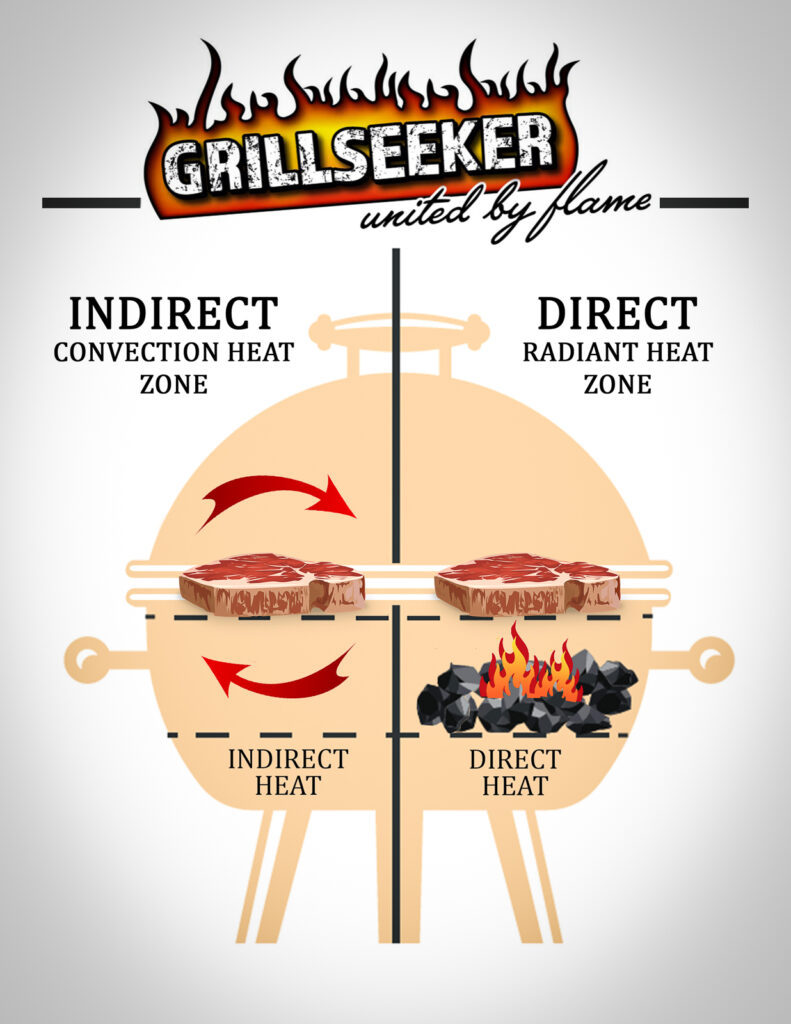
Direct heat cooks food fast over the flame. Indirect heat cooks food gently with surrounding heat. Both matter.
Direct heat basics
Direct heat works best for thin foods.
- Burgers
- Hot dogs
- Thin steaks
- Fish fillets
- Fast vegetables
Food sits over lit burners. Cooking is quick. Timing matters.
Indirect heat basics
Indirect heat works like an outdoor oven.
- One side of the grill stays off
- Food sits away from flame
- The lid stays closed
This method suits thick and slow foods.
- Whole chicken
- Bone-in pieces
- Ribs
- Roasts
Choosing the right method
A simple rule helps. If food needs more than 10 to 12 minutes, think indirect heat. This reduces burning and keeps texture better.
How Do Heat Zones Improve Cooking Results?
Heat zones change how you think about grilling. They replace guesswork with planning.
Heat zones improve cooking by letting you move food based on need, not panic. One grill becomes many tools.
The two-zone setup
A basic setup uses two zones.
- Hot zone for searing
- Cooler zone for finishing
This setup handles most backyard meals.
Why zones protect food
Zones prevent overcooking. Food moves away from danger instead of burning. Flare-ups stop being disasters.
Examples that show the value
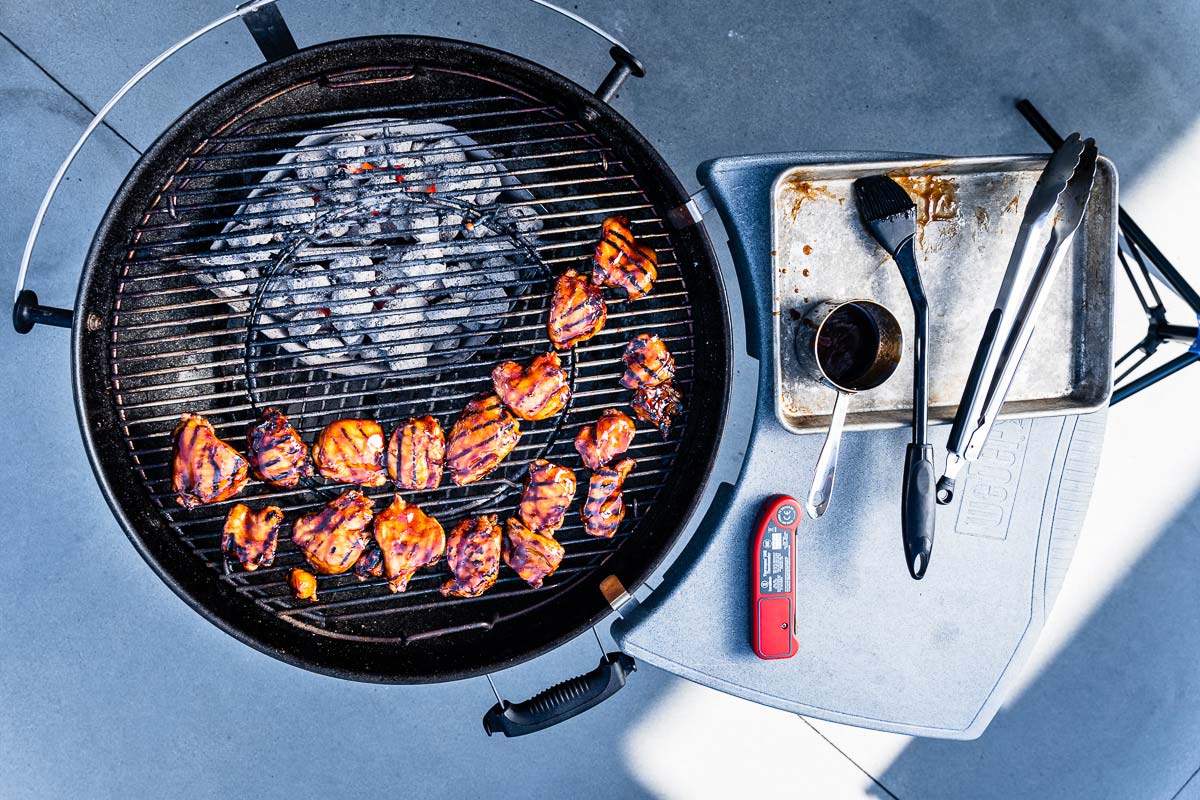
- Steaks sear hot, then finish gently
- Chicken crisps skin, then cooks through
- Burgers cook while buns warm safely
Heat zones and calm cooking
Zones slow the pace. You flip less. You open the lid less. Heat stays steady. Results improve without effort.
| Food | Start Zone | Finish Zone |
|---|---|---|
| Steak | Hot | Cool |
| Chicken thighs | Medium-hot | Cool |
| Vegetables | Medium | Cool |
Why Is Even Heat More Important Than Cooking Space?
Even heat brings consistency. Space does not.
Even heat matters more because it gives repeatable results and better texture. When heat stays balanced, timing becomes reliable.
Even heat supports planning
Food finishes closer together. Meals come together on time. This matters when cooking for others.
Texture improves with balance
Even heat avoids blasted surfaces and raw centers. Moisture stays inside. Browning looks clean.
Simple heat map test
Toast bread across the grates. Uneven color shows heat problems. This test shows why space alone cannot help.
Space only matters after control
A large grill with even heat performs well. A large grill without it frustrates. Control always comes first.
Do More Burners Always Mean Better Heat Control?

Burner count gets attention. It should not decide alone.
More burners help only when they spread heat evenly and respond fast. Extra burners without balance add problems.
When more burners help
- Wider heat zones
- Better indirect cooking
- Flexible temperature shaping
When they fail
- Poor spacing creates stripes of heat
- Weak flame struggles in wind
- Thin parts leak heat
Asking better questions
Instead of counting burners, ask:
- Can I create clear zones?
- Does heat recover fast?
- Does the grill resist flare-ups?
A well-built three-burner grill often beats a poorly built five-burner grill.
What Grill Features Help You Control Heat Better?
Features decide how heat behaves over time.
Good heat control comes from parts that hold, spread, and protect heat. Look beyond surface shine.
Features that support control
- Solid lid and firebox
- Even burner layout
- Strong heat tents
- Thick grates
- Stable gas flow
Helpful design details
- Tight lid seal
- Wind protection
- Clear grease paths
Feature comparison
| Feature | Why It Helps |
|---|---|
| Thick grates | Smooth heat |
| Heat tents | Fewer flare-ups |
| Solid lid | Stable temps |
| Burner spacing | Even zones |

How Should You Choose a Grill Based on Heat Control?
Buying a grill becomes easier when heat comes first.
Choose a grill based on how well it holds and shapes heat, not just size. This leads to better daily cooking.
Match the grill to how you cook
- Weeknight meals need fast, steady heat
- Thick cuts need stable indirect heat
- Hosting needs zones before space
Quick decision checklist
- Holds temperature without constant changes
- Creates two zones easily
- Recovers heat after lid opens
- Handles fatty foods without flare-ups
Avoid common buying mistakes
Do not buy size to fix control problems. Do not chase burner count alone. Focus on balance and stability.
Conclusion
Backyard cooking succeeds or fails on heat control. Grill size feels important, yet it solves fewer problems than most people expect. Steady heat builds confidence. Heat zones add flexibility. Even heat protects texture and timing.
When heat behaves, cooking becomes simple. Food tastes better. Stress drops. Whether the grill is small or large matters less once heat stays under control.