
Why gas grill maintenance matters more than you think
Most grilling problems do not come from poor design or low-quality materials. They come from skipped care. Heat issues, flare-ups, rust, and unstable flames often build slowly. They appear after weeks or months of ignoring simple upkeep.
Performance is the first thing affected.
A grill that is not cleaned regularly struggles to distribute heat evenly. Food cooks faster on one side and slower on another. That leads to inconsistent results and wasted time.
Safety follows closely behind.
Grease accumulation increases fire risk. Damaged hoses or loose fittings raise the chance of leaks. These problems rarely appear suddenly. They grow quietly until something goes wrong.
Durability also depends on attention.
Metal parts exposed to moisture, grease, and heat break down faster without cleaning. Corrosion shortens service life. Regular care slows that process and protects your investment.
For commercial environments, the stakes are higher.
Downtime affects operations. Poor performance affects customer experience. Routine care keeps equipment reliable and predictable.
Good maintenance is not extra work.
It is how performance stays stable over time.
Understanding your gas grill components
A grill works as a system, not as a single unit. Knowing each part helps prevent damage during cleaning and improves long-term performance.
Burners sit at the core.
They release gas through small openings. When these ports clog, flames weaken or become uneven. This often explains cold zones across the cooking surface.
Valves and hoses control fuel flow.
They must remain flexible and sealed. Cracks or stiffness can lead to pressure loss or leaks.
Cooking grates contact food directly.
Different materials require different care. Some retain heat well but need protection from rust. Others resist corrosion but still collect residue.
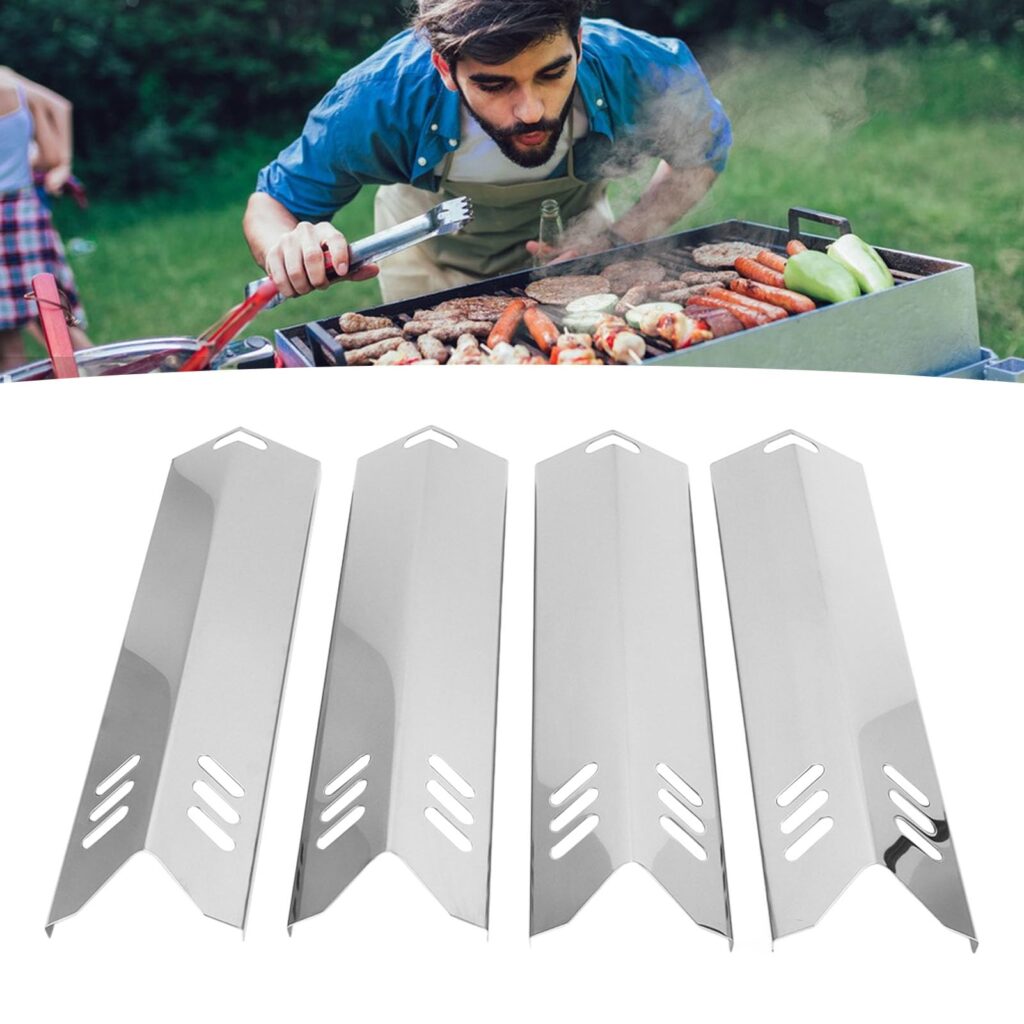
Heat diffusers sit below the grates.
They spread heat and reduce direct flame contact. Grease buildup here blocks airflow and raises flare-up risk.
Grease management systems guide oil away from flames.
Drip trays and channels must stay clear to function correctly.
Understanding these parts turns cleaning into a focused task instead of guesswork.
Pre-cook checks that prevent big problems
Quick checks before lighting reduce safety risks and cooking issues.
A visual scan comes first.
Loose knobs, hanging grease, or cracked hoses signal problems. These signs should never be ignored.
Gas connections deserve attention.
A gas smell before ignition means something is wrong. Shut everything off immediately. Leaks often come from worn seals or loose fittings.
Ignition performance matters.
Delayed sparks allow gas buildup inside the firebox. This increases flare-up risk. The igniter should click cleanly and light quickly.
Airflow supports stable combustion.
Blocked vents reduce oxygen and weaken flames. Clear airflow improves heat control.
The lid should remain open during ignition.
This prevents gas accumulation and reduces flashback risk.
These checks take minutes.
They prevent serious issues later.
Cleaning after every cook
Daily care keeps residue from becoming a problem.
Warm surfaces clean faster.
Heat softens grease and food particles, making them easier to remove.
Grates need immediate attention.
A brush removes debris before it hardens. Smooth surfaces also reduce sticking during the next use.
Grease areas require monitoring.
Drip trays should never overflow. Wiping splashes early prevents smoke and flare-ups.
Short burn-offs help.
A brief high-heat cycle dries moisture and reduces odor buildup.
Harsh chemicals are unnecessary for daily care.
Warm water and basic tools are enough.
This routine takes only a few minutes.
Consistency keeps deep cleaning manageable.
Deep cleaning your gas grill
Even with good daily habits, residue accumulates.
Frequency depends on usage.
Light home use may need a full clean every few months. Heavy or professional use requires more frequent attention.
Gas supply must be shut off first.
Safety comes before cleaning.
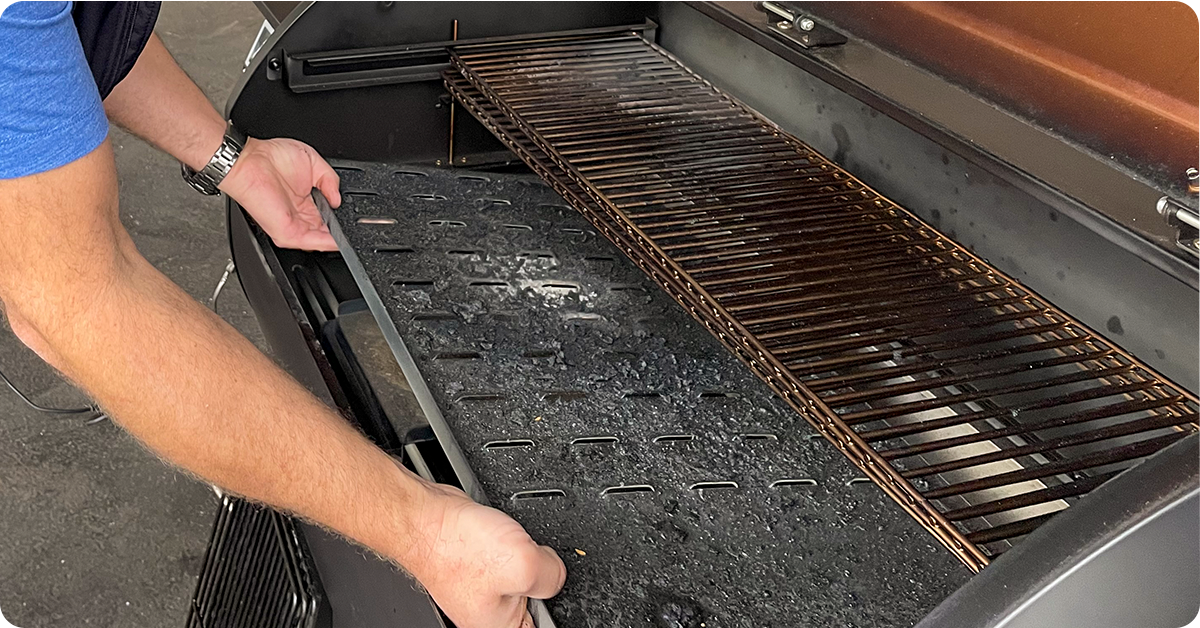
Grates and diffusers should be removed.
Soaking loosens grease and carbon buildup. Mild detergent works well for most materials.
Burner ports need careful handling.
Soft brushes or air clear debris without damaging openings. Sharp tools should be avoided.
The firebox interior collects grease over time.
Corners and edges trap residue. Wiping prevents airflow restriction.
Grease trays and channels must stay open.
Blocked paths lead to overflow and flare-ups.
Deep cleaning restores airflow and heat balance.
It also reveals wear early.
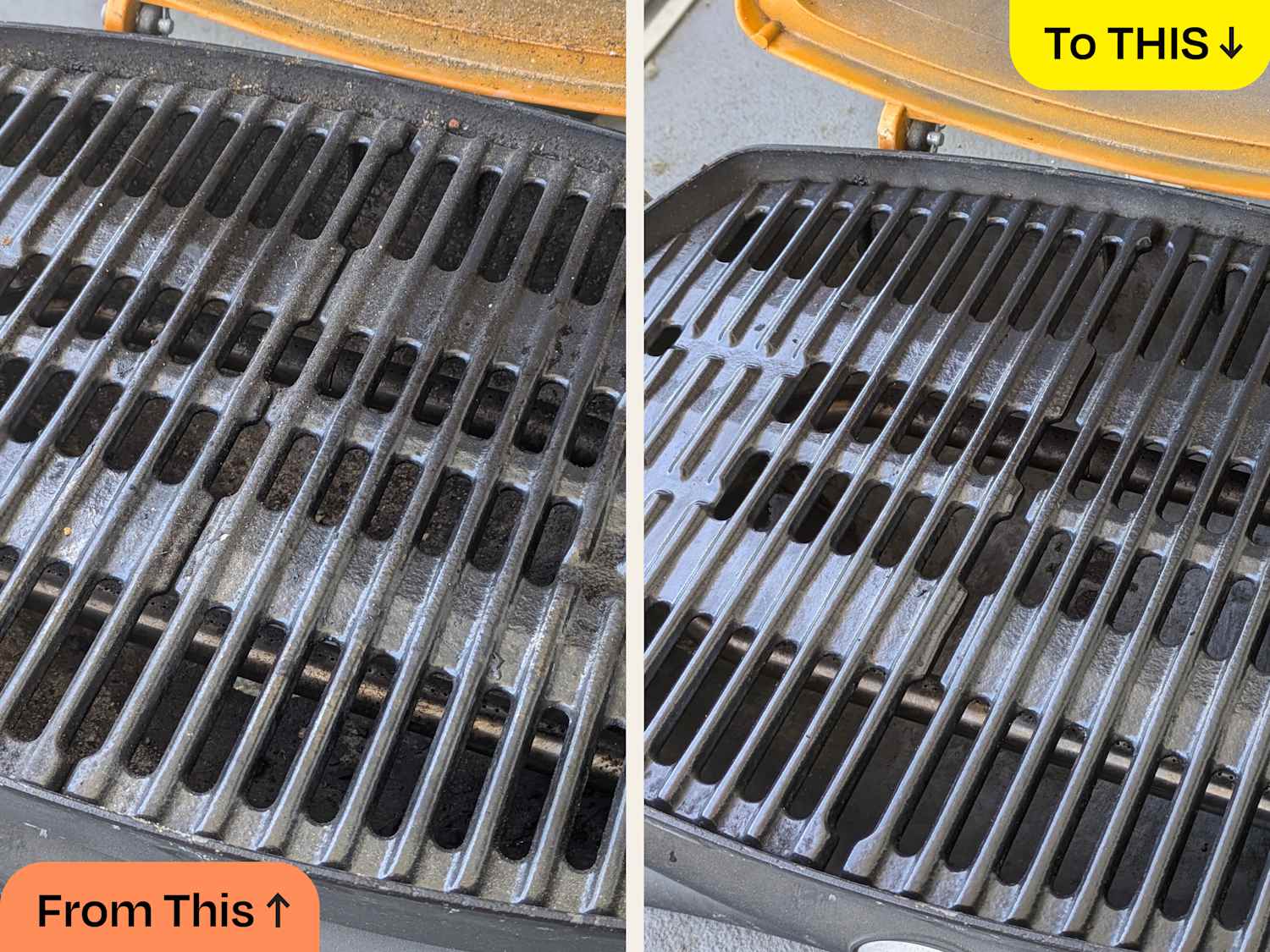
Burner care for even heat
Burners control cooking consistency.
Clogged ports create uneven flames.
This causes hot spots and cold zones.
Food debris and grease block gas flow.
Regular inspection keeps flames uniform.
Discoloration or weak flame patterns indicate problems.
Yellow flames often signal airflow issues.
Cleaning solves many performance issues.
Replacement becomes necessary only when metal weakens or cracks appear.
Stable burners deliver predictable heat.
That makes cooking easier and more reliable.
Caring for cooking grates and heat plates
Different materials behave differently under heat.
Cast iron holds heat well.
It needs protection from moisture to prevent rust.
Stainless steel resists corrosion.
It still collects residue and needs brushing.
Heat plates must remain clean.
Grease-covered surfaces block heat distribution.
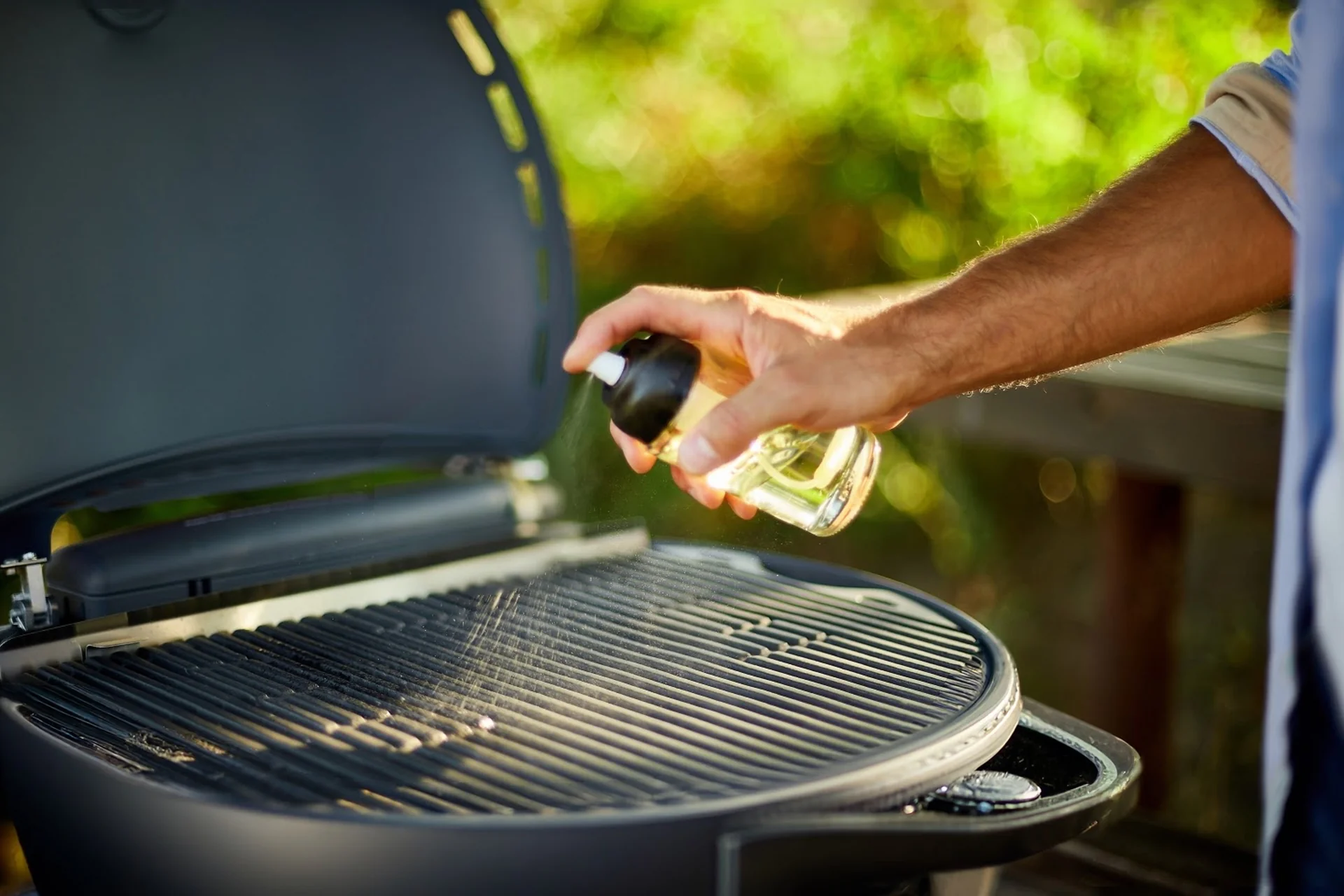
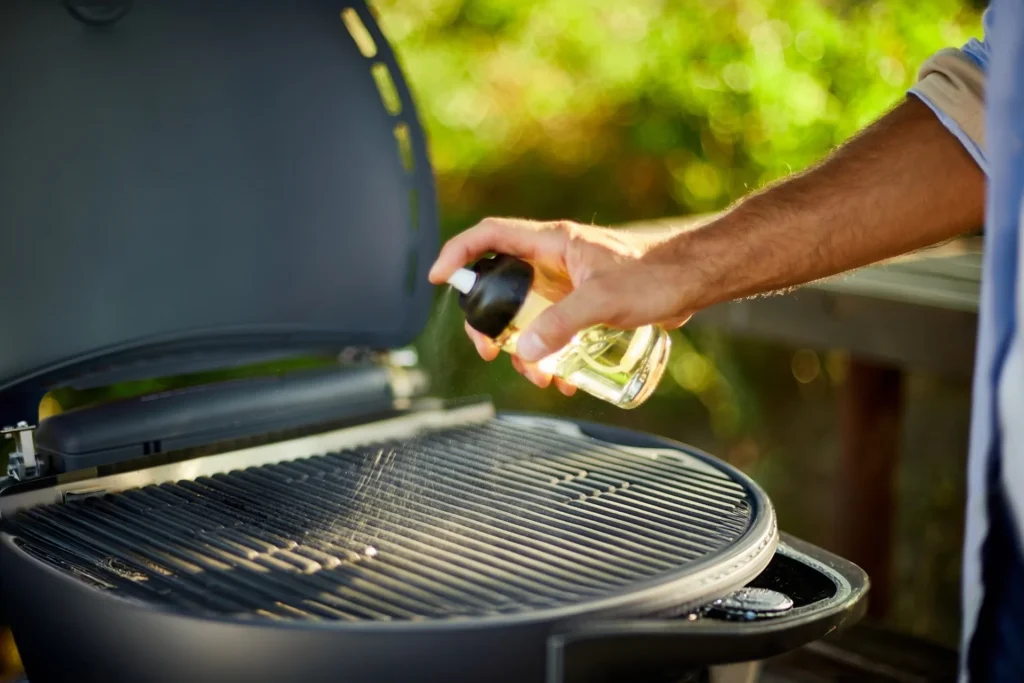
Re-seasoning helps with non-stick performance.
Light oil coatings protect metal surfaces.
Well-maintained surfaces cook more evenly.
They also last longer.
Gas system maintenance and safety tips
Fuel systems deserve careful attention.
Hoses should remain flexible.
Cracks or stiffness indicate wear.
Regulators control pressure.
Inconsistent heat often traces back to faulty regulation.
Fuel tanks need proper storage.
They should stay upright and away from heat sources.
Shutdown routines matter.
Turning off fuel first reduces internal pressure.
Safe systems support stable operation.
They protect both users and equipment.
Seasonal maintenance and long-term storage
Weather affects outdoor equipment.
Moisture accelerates corrosion.
Protective covers help but must allow airflow.
Storage preparation reduces startup issues later.
Cleaning before storage prevents hardened residue.
Inspection before reuse catches damage early.
This avoids surprises during operation.
Seasonal care extends service life.
It also preserves appearance.
Troubleshooting common gas grill problems
Uneven heat points to blocked burners.
Cleaning usually resolves this.
Ignition failures often involve batteries or wiring.
Simple replacements restore function.
Excess smoke signals grease buildup.
Cleaning grease paths reduces flare-ups.
Identifying causes early saves time.
Small fixes prevent larger repairs.
Building a simple maintenance schedule
Routine keeps care manageable.
After-use tasks stay quick.
Monthly checks catch wear early.
Seasonal routines protect equipment long-term.
Written checklists improve consistency.
Clear procedures help teams.
They reduce mistakes and downtime.
Maintenance becomes habit through structure.
Maintenance tips for high-use environments
Frequent use increases residue buildup.
Cleaning intervals must shorten accordingly.
Hygiene standards demand consistency.
Clean surfaces support food safety.
Spare parts reduce downtime.
Prepared teams respond faster to issues.
Professional care protects operations.
It also protects reputation.
Knowing when maintenance is not enough
Some signs indicate limits.
Repeated failures increase costs.
Structural damage affects safety.
Repair costs sometimes exceed replacement value.
Planning upgrades prevents disruption.
Timely decisions protect efficiency.
They also improve long-term performance.
Final thoughts
Care keeps performance predictable.
Small routines prevent major problems.
Clean equipment cooks better.
It also lasts longer.
Maintenance is not complicated.
It simply needs consistency.