
You want your commercial gas grill to last and perform well. Material selection shapes every part of your warranty experience. High-quality metals resist rust and heat damage, so you face fewer defects. Poor materials often lead to exclusions or denied claims. How Material Choices Impact Warranty Claims in Commercial Gas Grills becomes clear when you see that better materials give you stronger warranty coverage and peace of mind.
Key Takeaways
- Choose high-quality materials like stainless steel for better warranty protection. They resist rust and heat damage, leading to fewer claims.
- Always read warranty terms carefully. Look for exclusions related to materials to avoid surprises later.
- Ask key questions before buying a grill. Inquire about material quality, warranty duration, and any exclusions for commercial use.
- Regular maintenance extends your grill’s life. Clean it after each use to prevent issues that warranties may not cover.
How Material Choices Impact Warranty Claims in Commercial Gas Grills
Warranty Exclusions Linked to Materials
You need to know what your warranty covers before you buy a commercial gas grill. Many warranties list specific exclusions that relate directly to the materials used in the grill. If you choose a grill with lower-quality metals or weak coatings, you may find that your warranty does not protect you from common problems.
Here are some of the most common warranty exclusions linked to material choices:
- Damage from grease fires
- UV exposure
- Normal wear and tear
- Warping of the drip tray or heat baffle
These exclusions mean that if your grill suffers from these issues, the manufacturer may not honor your warranty claim. For example, if your grill’s drip tray warps because it uses thin metal, you could face a denied claim. You should always check the warranty details to see how material choices impact warranty claims in commercial gas grills.
Manufacturers often design their warranties to protect themselves from frequent claims caused by poor materials. You will notice that high-quality materials, like thick stainless steel, often come with longer warranty periods. This shows a direct link between material quality and warranty coverage. When you choose better materials, you reduce the risk of facing these exclusions.
Claim Denials Due to Material Issues
You may think your warranty will cover any problem, but that is not always true. Many claim denials happen because of material issues. If your grill rusts, cracks, or corrodes quickly, the manufacturer may say the problem comes from poor material selection, not a defect. This is why you must understand how material choices impact warranty claims in commercial gas grills.
Let’s look at how different manufacturers handle material-related claims:
| Manufacturer | Warranty Coverage | Exclusions |
|---|---|---|
| Coyote Outdoor | Free from defects in workmanship and materials for specified periods. | Excludes grills used in commercial applications, surface corrosion, and labor costs. |
| Alfresco | Warranty applies only to the original purchaser and is non-transferable. | Excludes damage from misuse, alteration, and improper installation. |
| Vermont Castings | Warranty for original purchaser only, covering defects in material and workmanship. | Does not apply to commercial use or products used in multi-unit settings. |
You can see that many manufacturers limit their responsibility when poor materials cause problems. For example, Coyote Outdoor excludes surface corrosion, which often results from low-grade metals. Alfresco and Vermont Castings also avoid covering damage from misuse or improper installation, which can include using the wrong materials for your cooking needs.
High-quality materials lead to fewer warranty issues. Brands like Fire Pit Art offer longer warranties on stainless steel parts. This shows that better materials mean fewer claims and more protection for you. If you pick a grill with cheap metals, you may face more frequent claim denials due to rust or cracking.
Tip: Always read the warranty policy and ask questions about material exclusions before you buy. This helps you avoid surprises and understand how material choices impact warranty claims in commercial gas grills.
Key Materials and Warranty Coverage
Stainless Steel vs. Other Metals
You want your commercial gas grill to last through heavy use. The material you choose makes a big difference in both durability and warranty coverage. Stainless steel stands out as the top choice for commercial grills. It resists rust, handles high heat, and keeps its shape over time. Marine-grade stainless steel, used in many commercial models, offers even more protection against corrosion.
Let’s compare common materials:
| Feature | Commercial Gas Grill | Residential Grill |
|---|---|---|
| Construction | Marine-grade stainless steel, reinforced components | Standard stainless or painted steel |
| Durability | Built for multi-user, all-day service | Designed for occasional home use |
| Warranty | Covers commercial/multi-user applications | Voids under commercial use |
If you pick a grill with painted steel or thin metals, you may see more rust and damage. These problems often lead to denied warranty claims. Stainless steel grills usually come with longer warranties and fewer exclusions. You save money in the long run because you replace parts less often, face less downtime, and file fewer warranty claims. This shows how material choices impact warranty claims in commercial gas grills.
Role of Coatings and Finishes
Coatings and finishes protect your grill from the elements, but they also affect your warranty. Most manufacturers do not cover paint damage, discoloration, or surface rust. If the coating fails but the grill still works, your warranty may not help. Here are common exclusions:
- Paint and exterior finishes are not covered.
- Rust or oxidation is not covered unless the grill loses structural strength.
- Damage from weather or chemicals is excluded.
“Protective coatings may be compromised by various substances and conditions beyond the control of the manufacturer. For these reasons, the warranty does not cover rust or oxidation unless there is a loss of structural integrity of the grill component.”
You can extend the life of your grill by cleaning it after each use and keeping it dry. Wipe away grease and ashes to protect the finish. These steps help you avoid problems that warranties do not cover. Understanding how material choices impact warranty claims in commercial gas grills helps you make better decisions and avoid costly surprises.
Choosing Materials for Better Warranty Protection
What to Check in Warranty Terms
You want to make sure your commercial gas grill warranty gives you real protection. Start by reading the warranty terms closely. Look for details about which parts get covered and for how long. Some warranties only cover certain parts, while others include labor or even full replacements.
Here is a table to help you understand the types of warranties you might see:
| Warranty Type | Description |
|---|---|
| Parts and labor warranties | Covers the cost of technician and replacement parts. |
| Replacement warranties | Manufacturer sends a replacement item instead of paying for repairs. |
| Specific parts warranties | Covers essential components, like a compressor warranty for refrigerated equipment. |
| Extended warranty | Optional coverage for repairs, defects, or damages not included in the manufacturer’s warranty. |
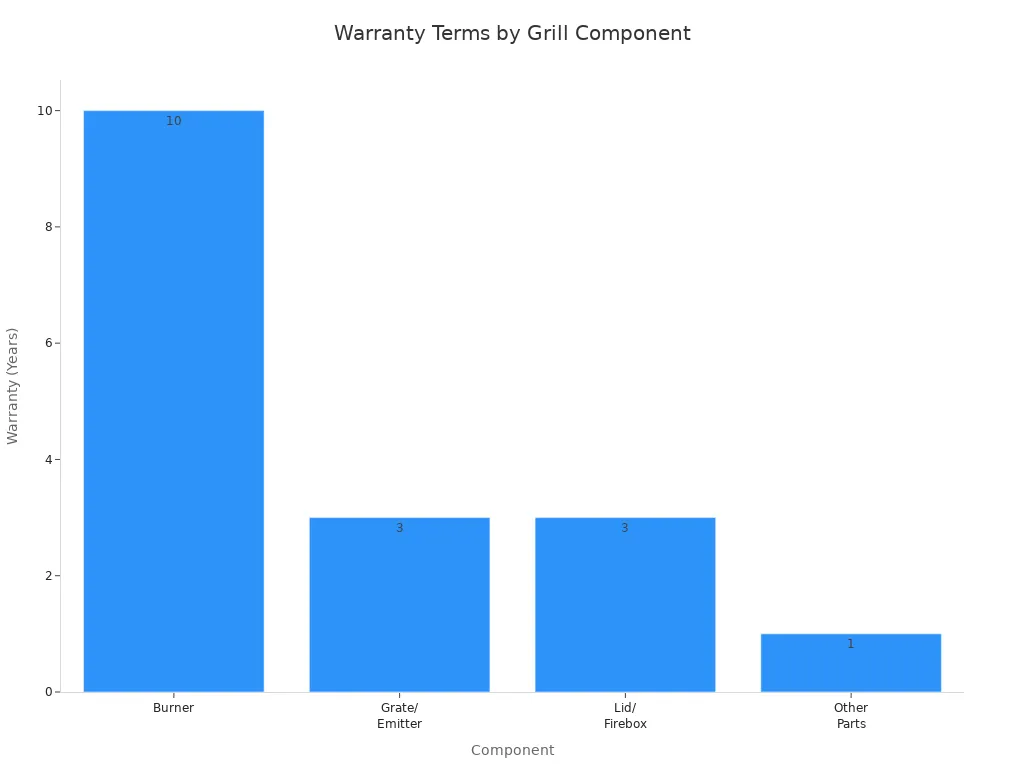
Check the warranty duration for each part. Burners often have the longest coverage, sometimes up to 10 years. Cooking grates and plates may have extended coverage, while fireboxes and lids usually get medium-term protection. Other parts might only have a one-year warranty.
| Component | Warranty Duration |
|---|---|
| Burners | Up to 10 years |
| Cooking Grates/Plates | Extended coverage |
| Firebox/Lid Assembly | Medium-term (3 years) |
| Other Parts | Shorter period (1 year) |
Tip: Always read the fine print. Some warranties become void if you use the grill in ways not approved by the manufacturer or if you use third-party parts.
Questions to Ask Before Buying
Before you buy, ask the dealer or manufacturer key questions about material quality and warranty coverage. This helps you avoid surprises and ensures you get the best value.
- What materials are used for burners, grates, and lids?
- How long does the warranty last for each component?
- Does the warranty cover both parts and labor?
- Are there any exclusions for commercial use?
- What actions or uses will void the warranty?
You can also check the warranty terms for each part:
| Component | Warranty Term |
|---|---|
| Burner | 10 Years |
| Grate/Emitter | 3 Years |
| Lid/Firebox | 3 Years |
| Other Parts | 1 Year |
Quality construction and reliable components reduce maintenance and downtime. Choosing the right materials means you spend less time and money on repairs.
By asking these questions and checking warranty details, you make sure your grill’s materials match your needs and protect your investment.
Real-World Warranty Scenarios
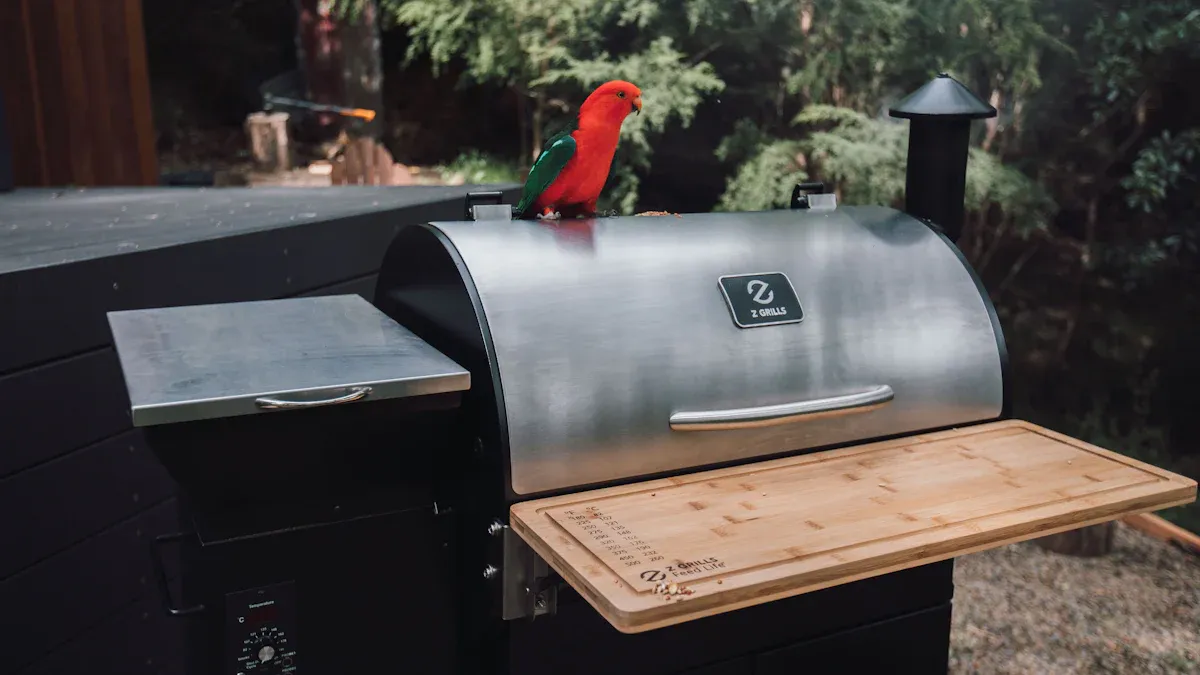
Successful Claims with Quality Materials
You want your warranty claim to go smoothly. When you choose a commercial gas grill with premium materials, you set yourself up for success. Many owners report easy warranty claims when their grills use marine-grade stainless steel and high-quality burners. These grills often come with lifetime warranties on essential parts. You get reliable customer support and quick replacements.
Here is a table that shows the difference between premium and lower-quality grills:
| Feature | Premium Grills | Lower-Quality Grills |
|---|---|---|
| Warranty on Burners | Lifetime warranty | Limited warranty |
| Coverage of Essential Parts | Comprehensive coverage | Often excludes essential parts |
| Customer Support | Reliable and responsive | Limited support |
| Warranty Claim Process | Easy and hassle-free | Often complicated |
You benefit from grills that use food-grade materials. These materials do not release harmful fumes when heated. You also avoid health risks during cooking. When you select a trusted brand, you find replacement parts easily. You keep your kitchen running and avoid downtime.
Tip: Always check the warranty details and make sure replacement parts are available before you buy.
Failed Claims from Poor Material Choices
You face problems when you choose grills with low-quality metals or poor construction. Many warranty claims fail because of common defects linked to bad material choices. You might see connection problems, defective tubing, or faulty burners. These issues often lead to gas leaks or unsafe conditions.
Here are some mistakes that cause warranty claim failures:
| Common Defects | Description |
|---|---|
| Connection Problems | Issues with the connections that can lead to gas leaks. |
| Defective Tubing | Tubing that fails to function properly, potentially causing leaks. |
| Defective Valves | Malfunctioning valves that can lead to gas flow issues. |
| Venting Accidents | Gas leaks through safety valves due to overpressure from heat or overfilling. |
| Faulty Burners | Burners that do not operate correctly, leading to unsafe conditions. |
| Missing Hoses | Absence of necessary hoses that can cause gas leaks. |
| Incorrect Heat Shields | Heat shields that are not properly designed, leading to overheating issues. |
You also risk using toxic or non-food-grade materials. These can release harmful fumes and pose health risks. Many warranties exclude coverage for these problems. You may struggle to find replacement parts if you pick a lesser-known brand. You lose time and money when your grill breaks down and you cannot get support.
Note: Reliable warranties and accessible parts help you avoid downtime and keep your business running smoothly.
You can protect your investment by choosing the right materials for your commercial gas grill. Review warranty terms before you buy. Industry experts recommend these steps for better warranty protection:
- Use food-grade stainless steel (304 or 316) for grates and housing.
- Check for ETL or UL certification.
- Follow local codes like NFPA 54.
- Add safety shut-off valves and flame failure devices.
| Material Type | Key Characteristics | Warranty Implications |
|---|---|---|
| Grade 304 Stainless Steel | Superior corrosion resistance, food grade | Lower warranty risk, longer product lifecycle |
| Grade 430 Stainless Steel | Less corrosion resistance, cheaper | Higher warranty claims due to corrosion issues |
| Porcelain Enamel | Prone to chipping and rusting | High rate of complaints, increased TCO |
Choose wisely to enjoy long-lasting performance and fewer warranty issues.
FAQ
What material gives the best warranty protection for commercial gas grills?
You get the best warranty protection with 304 or 316 stainless steel. These grades resist rust and heat. Manufacturers trust these materials, so they offer longer warranties. You save money and avoid frequent repairs.
Do warranties cover rust or corrosion on my grill?
Most warranties do not cover surface rust or corrosion. You should check the warranty terms. If the rust affects the grill’s structure, some brands may help. Always clean and dry your grill to prevent rust.
Why do some warranty claims get denied?
Manufacturers deny claims when you use poor materials, misuse the grill, or ignore maintenance. You should read the warranty details. Using non-approved parts or failing to clean your grill can also void your coverage.
How can I check if a grill uses food-grade materials?
You can ask the dealer or check the product label. Look for “304 stainless steel” or “food-grade” in the description. Food-grade materials keep your cooking safe and help you avoid health risks.