
If you want to know how to cook steak perfectly on a gas grill, start with high heat and the right prep. Pat your steak dry, season it with kosher salt, and let it reach room temperature. Place it on the hot grill, leave it alone for two minutes, then give it a quarter turn for those classic grill marks. Use your burners to create a hot sear zone and a cooler side. Always check with a thermometer—this is how to cook steak perfectly on a gas grill every time. Anyone can serve a perfect steak at home by following these simple steps for how to cook steak perfectly on a gas grill.
Key Takeaways
- Begin with a hot grill. Set it between 400°F and 450°F. This helps you get a good sear and grill marks.
- Pick thicker cuts like ribeye or T-bone. These cuts stay juicy and show better grill marks.
- Dry your steak with a paper towel. Add lots of salt and pepper before grilling. This makes the outside crispy.
- Use direct heat to sear the steak. Use indirect heat to cook it evenly. This stops the steak from overcooking.
- Always use a meat thermometer to check inside the steak. This helps you cook it just how you like.
Why Grill Marks Make a Perfect Steak
Visual Appeal and Flavor
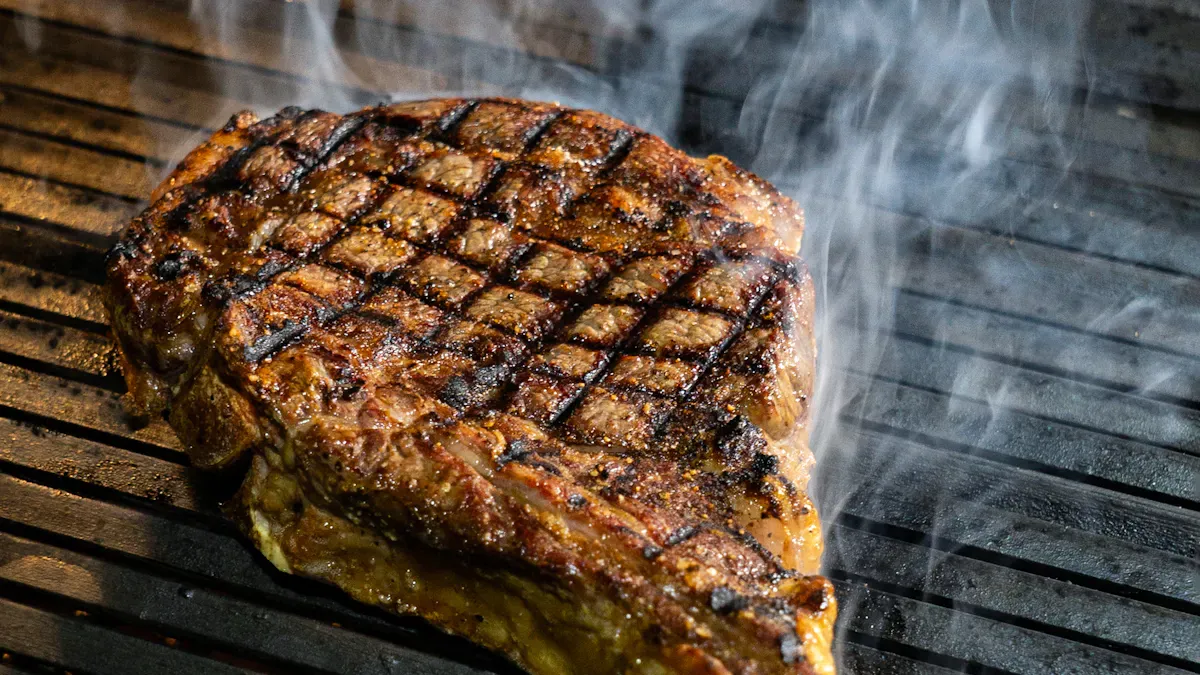
When you see those dark lines on a steak, your mouth starts to water. Grill marks make food look delicious and show that you know how to use your grill. People often think these marks mean more flavor, but the real magic comes from what happens on the surface of the meat. The Maillard reaction is a special process that browns the meat and creates tasty flavors. This reaction happens when the hot grill grates touch the steak and heat it up fast.
- The Maillard reaction is key for browning and flavor.
- Grill marks look great, but they do not add much extra flavor.
- For the best taste, you want a brown crust all over, not just lines.
Tip: If you want the most flavor, try to get a good sear on the whole steak, not just the grill marks.
Sear Lines and Steak Quality
Grill marks do more than just make your steak look good. They show that you used high heat and cooked it right. The metal grates get very hot and leave those lines by heating the meat quickly where they touch. Chefs know that to get perfect grill marks, you need to let the steak sit on the grates, then turn it for a crosshatch pattern. They also try to brown as much of the surface as possible for the best taste.
Here’s how grill mark quality compares on different grills:
| Grill Type | Grill Mark Quality |
|---|---|
| Charcoal Grill | Produces better searing and grill marks due to higher temperatures and direct infrared heat. |
| Gas Grill | Generally produces less effective grill marks unless equipped with special sear burners. |
When you grill at home, you can still get great marks on a gas grill if you preheat it well and use the right technique. Remember, a perfect steak is about both looks and flavor.
Choosing and Seasoning Steak for Grilling
Best Cuts and Thickness for Grill Steak
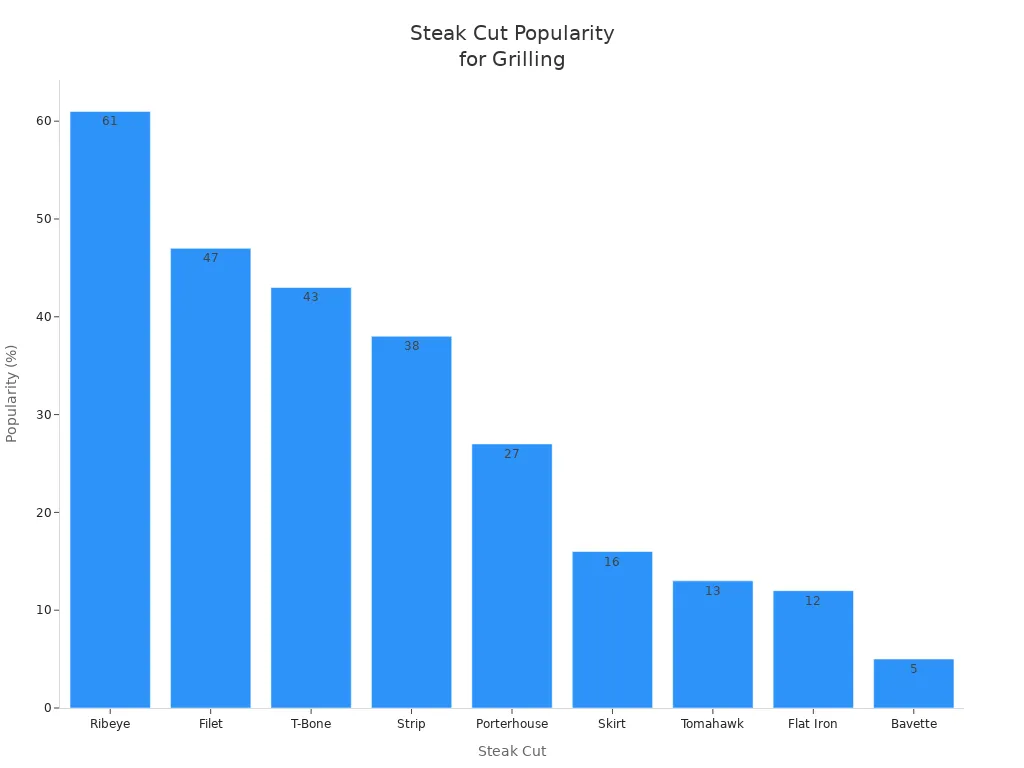
Picking the right steak makes a big difference when you grill. Some cuts work better than others for getting those perfect grill marks and juicy bites. Ribeye, strip, and sirloin are top choices because they have great flavor and enough fat to stay tender on the grill. If you want to see which cuts people love most, check out this table:
| Steak Cut | Popularity (%) |
|---|---|
| Ribeye | 61% |
| Filet | 47% |
| T-Bone | 43% |
| Strip | 38% |
| Porterhouse | 27% |
| Skirt | 16% |
| Tomahawk | 13% |
| Flat Iron | 12% |
| Bavette | 5% |
When you pick your steak, look for one that is at least 1.5 inches thick. Professional chefs say this thickness helps you get the best grill marks without overcooking the inside. If you want to try cooking thick-cut ribeye, you will find it easier to get a nice sear and keep the middle juicy. Thicker steaks also hold up better to high heat, which is important for grilling beef.
Best Way to Season Steak
You want your steak to taste amazing and have a great crust. The best way to season steak starts before you even turn on the grill. Here are some tips for grilling steak that help you get the most flavor:
- Pat the steak dry with paper towels before you season it. This step helps you get a crispy crust.
- Use dry seasonings like salt and pepper. Wet marinades can stop the crust from forming.
- Let your steak sit at room temperature for about 30 minutes before grilling. This helps it cook evenly.
Tip: Season your steak generously with salt and pepper on both sides. Don’t be shy—steak can handle a lot of seasoning!
When you follow these steps, you set yourself up for a steak that is juicy, flavorful, and has those perfect grill marks everyone loves.
How to Cook Steak Perfectly on a Gas Grill
Preheating and Grill Setup
You want to start strong when you grill steak. Turn on your gas grill and set it to medium-high. Let it preheat until the temperature hits between 400°F and 450°F. This is the perfect grill temperature for steak. If you wonder how hot should the grill be, remember this range. A hot grill gives you those beautiful grill marks and helps lock in the juices.
Before you place any beef on the grates, grab a grill brush and clean off any old bits. Next, oil the grates with a paper towel dipped in oil. This step keeps your steak from sticking and helps you get a crisp crust.
- Preheat your gas grill to 400°F–450°F.
- Clean and oil the grates before you start.
- Use two burners if you can, so you can set up different heat zones.
Tip: Always let your steak sit out for about 30 minutes before grilling. This helps it cook evenly and gives you a perfect steak every time.
Direct and Indirect Heat Zones
Setting up your gas grill with both direct and indirect heat zones is a game changer. Direct heat means you put your steak right over the flame. This is where you get that sizzling sound and those classic grill marks. If you want to know how to best barbecue a steak, start with direct heat. The Maillard reaction happens here, giving your beef a tasty crust and deep flavor.
Indirect heat is just as important. Move your steak to the cooler side of the grill after searing. This lets the inside cook gently without burning the outside. Indirect grilling has been around for ages and helps you finish your steak to the right doneness. You can even use this method to smoke beef or reverse-sear for extra flavor.
Here’s a quick guide to setting up your grill:
| Heat Zone | What It Does | When to Use It |
|---|---|---|
| Direct Heat | Searing, grill marks, crust | Start of grilling |
| Indirect Heat | Even cooking, prevents burning | After searing, finish |
If you want to grill steak medium rare, use direct heat for the first few minutes, then move it to indirect heat. This keeps your steak juicy and helps you control how long to grill steak for the perfect result.
Using a Meat Thermometer
You can’t always tell if your steak is medium rare just by looking. Even experienced grillers sometimes guess wrong. That’s why a meat thermometer is your best friend when you grill steak. Insert the thermometer into the thickest part of the beef. This gives you the most accurate reading.
Smart thermometers make cooking steak even easier. Some connect to your phone and alert you when your steak is ready. Instant-read thermometers are also great. They help you avoid overcooking and make sure you get the steak doneness you want.
Here’s a quick chart for steak temperatures:
| Doneness | Internal Temp (°F) | Remove from Grill at (°F) |
|---|---|---|
| Rare | 120–125 | 115–120 |
| Medium Rare | 130–135 | 125–130 |
| Medium | 140–145 | 135–140 |
| Medium Well | 150–155 | 145–150 |
| Well Done | 160+ | 155+ |
If you want a perfect steak, aim for medium rare. Pull your steak off the gas grill when it’s about 5°F below your target. The temperature will rise a bit as it rests. This trick helps you get the juiciest beef every time.
Note: Always check the temperature instead of guessing. This is the most reliable way to grill steak just the way you like it.
Now you know how hot should the grill be, how to set up your gas grill, and how long to grill steak for medium rare. With these steps, you’ll master cooking steak and serve the perfect steak every time.
Grilling the Best Steak: Grill Marks Technique
Placing and Rotating for Grill Marks
You want your steak to look like it came from a steakhouse. Start by making sure your gas grill is hot and the grates are clean and oiled. When you’re ready, place your steak on the grill at a 45-degree angle. This angle helps you get those classic diagonal lines that everyone loves. Let the steak sear for about 2 to 3 minutes without moving it. This step is key for grilling the best steak.
After the first sear, use tongs to rotate the steak 90 degrees. This move creates a crosshatch pattern. Wait another 2 to 3 minutes before flipping. Repeat the same steps on the other side. You’ll see those perfect grill marks forming right before your eyes.
- Clean and oil your grill grates.
- Preheat your gas grill to high heat.
- Place the steak at a 45-degree angle on the grates.
- Sear for 2–3 minutes, then rotate 90 degrees for crosshatch marks.
- Flip and repeat on the other side.
When you rotate the steak, you get those beautiful marks, but remember, only about a third of the surface gets fully browned. The diamond shapes between the marks can stay pale and miss out on the best flavor. If you want a perfect steak, focus on both the marks and the overall sear.
Some grill fans love the look of crosshatch marks, but the real secret to grilling the best steak is getting a deep brown crust all over. The Maillard reaction happens where the beef touches the hot grates, so don’t be afraid to let your steak sit still for a few minutes before rotating.
Flipping and Finishing
Flipping your steak at the right time makes a big difference. After you finish the crosshatch on one side, flip the steak and repeat the process. Many people think you should only flip once, but that’s not true. You can flip your steak every 30 to 60 seconds after the first sear. This method helps the steak cook evenly and keeps the outside from burning.
- Flip your steak every 30–60 seconds for even cooking.
- Frequent flipping gives you a juicy steak with a nice crust.
- Start with a strong sear, then flip often until you reach your desired doneness.
This approach works especially well on a gas grill. It helps you avoid overcooking the outside while the inside stays tender. You get a perfect grilled steak with a beautiful crust and a juicy center. Always use a meat thermometer to check the temperature of your beef. This step ensures you don’t overcook your steak and helps you serve the perfect steak every time.
Resting and Butter Brushing
Once your steak comes off the gas grill, let it rest. Place it on a plate or cutting board and wait about 5 to 10 minutes. Resting lets the juices move back into the beef, so every bite stays moist and flavorful. If you cut into your steak too soon, the juices will run out, and you’ll lose that juicy steak with a nice crust.
After resting, brush your steak with melted butter. This step adds a rich flavor and a glossy finish. Make sure you only brush the butter on after the crust has formed. If you add butter too early, the water in the butter can create steam and soften the crust. Brushing at the end keeps the outside crisp and adds a delicious layer of flavor.
- Wait until the steak has rested before brushing with butter.
- Brushing at the right time boosts flavor without ruining the crust.
- The butter adds moisture and a mouthwatering shine to your beef.
Grilling the best steak on a gas grill takes practice, but these steps help you get there. Focus on the angle, timing, and finishing touches. You’ll impress your friends and family with a perfect steak every time.
Troubleshooting Grill Steak Mistakes
Faint or Uneven Grill Marks
You might notice your steak comes off the grill with pale or patchy marks. This can feel disappointing, but you can fix it with a few simple steps:
- Pat your steak dry with a paper towel before grilling. Too much moisture on the surface can stop those bold grill marks from forming.
- Place your steak at a 45-degree angle to the grates. This angle helps you get those classic lines.
- After 1–2 minutes, rotate your steak 90 degrees. This move creates a crosshatch pattern that looks great.
- Make sure your grill is hot and the grates are clean. A hot, clean surface gives you the best results.
Tip: Don’t press down on your steak with a spatula. This squeezes out juices and can ruin your grill marks.
Overcooked or Dry Steak
No one wants to bite into dry beef. Overcooking happens fast, especially on a gas grill. If you leave your steak on the heat too long, it can dry out. Some cuts, like grass-fed steak, have less fat and cook even faster. Less fat means less protection from drying out. Marbling, or fat inside the steak, helps keep it juicy. If your steak has little marbling, it can turn dry more easily.
You can keep your steak juicy with a few smart moves:
- Choose thicker cuts like ribeye or T-bone. These cuts hold moisture better.
- Preheat your grill well. A hot grill sears the outside and locks in juices.
- Watch your timing and use a meat thermometer. This helps you avoid overcooking.
- Let your steak rest after grilling. Resting lets the juices spread back through the meat.
Note: If you use these tips, you’ll serve steak that’s juicy and full of flavor every time.
You now know how to cook steak perfectly on your gas grill and get those eye-catching grill marks. Try different cuts and grilling methods to find what you like best. Studies show that grilling boosts the flavor, tenderness, and juiciness of beef, making every bite more satisfying. Pay attention to each step and keep practicing. You will serve steak that impresses every time.
FAQ
How do you keep beef from sticking to a gas grill?
You should always clean and oil your grill grates before cooking. Pat your beef dry with paper towels. This step helps you get a good sear and keeps the beef from sticking to your gas grill.
What is the best way to check if beef is done on a gas grill?
Use a meat thermometer. Insert it into the thickest part of the beef. For juicy results, remove the beef from the gas grill when it is about 5°F below your target temperature.
Can you grill different cuts of beef at the same time on a gas grill?
Yes, you can. Place thicker beef cuts over indirect heat and thinner ones over direct heat. This method helps you cook all your beef evenly on your gas grill.
Why does beef sometimes turn out dry on a gas grill?
Dry beef often means you cooked it too long or used too much heat. Choose cuts with more fat. Watch your timing and always let the beef rest after grilling on your gas grill.
Do you need to let steak rest after grilling on a gas grill?
Yes, you do. Resting lets the juices move back into the beef. Wait about 5 to 10 minutes before slicing. This step makes your steak taste better and keeps it juicy after using your gas grill.