
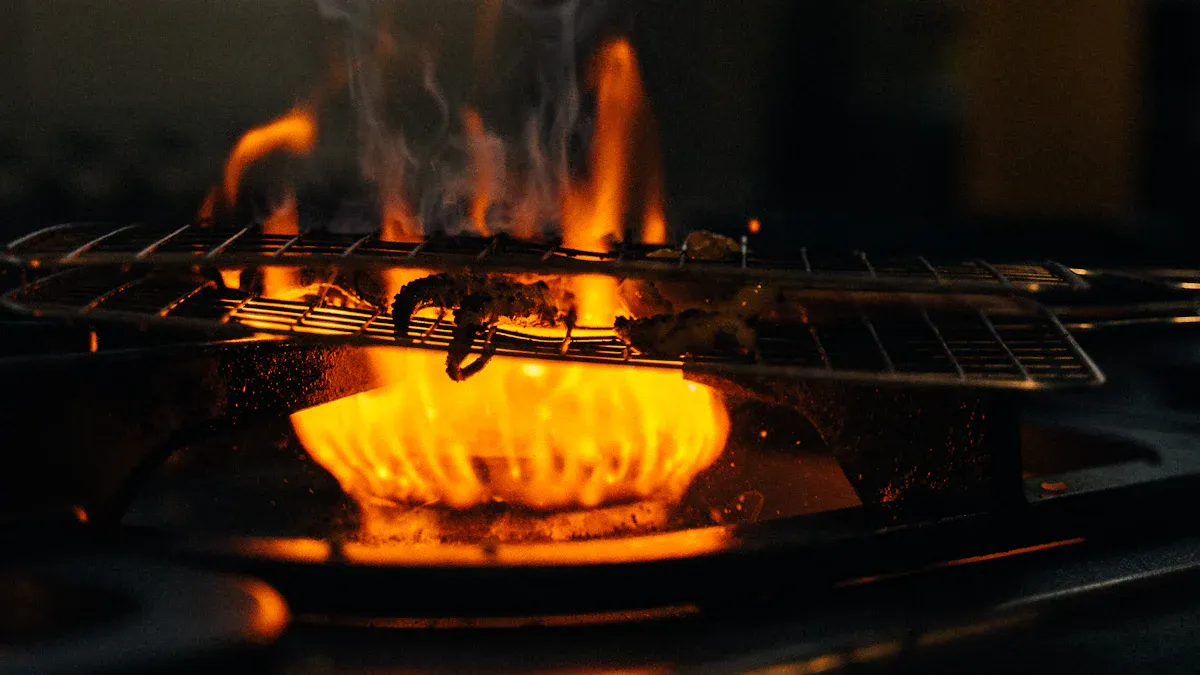
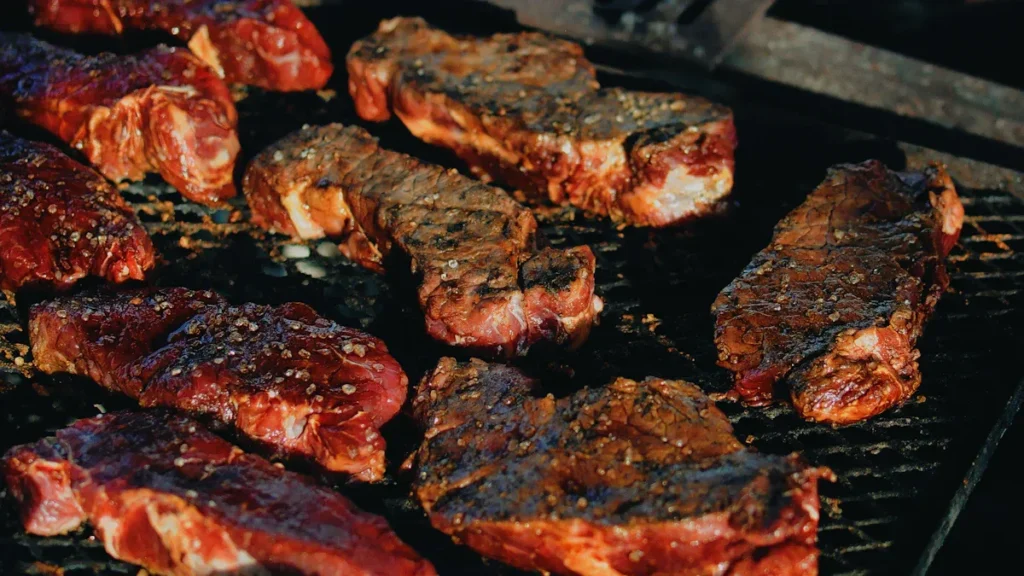
Shipping gas grills overseas brings strict rules and real risks. You must check every detail to meet safety standards and avoid costly mistakes. A systematic checklist helps you spot problems early. Third-party inspections can catch what you might miss. Good documentation ensures smooth customs clearance. From Factory to Retail: Key Quality Checks Before Shipping Gas Grills Overseas shows you why these steps matter.
Key Takeaways
- Choose high-quality materials like stainless steel and cast iron to ensure durability and safety in your gas grills.
- Conduct thorough inspections of all components, especially pressure regulators and ignitors, to prevent safety hazards during shipping.
- Follow a detailed assembly checklist to ensure every grill is built correctly, reducing the risk of accidents and product failures.
- Test the ignition system and gas flow to confirm safe operation; always check for leaks using a soap and water solution.
- Prepare accurate export documentation to avoid customs delays; include essential documents like commercial invoices and quality certificates.
From Factory to Retail: Key Quality Checks Before Shipping Gas Grills Overseas
When you ship gas grills overseas, you must follow a careful process. From Factory to Retail: Key Quality Checks Before Shipping Gas Grills Overseas helps you understand each step. You start with raw materials and end with a finished product ready for the store. Each stage has important checkpoints. If you miss one, you risk delays, extra costs, or even rejected shipments. You need to know what to look for at every step.
Material Selection and Sourcing
You must choose the right materials for your gas grills. Good materials make your grills last longer and work better. Poor materials can lead to rust, cracks, or even safety problems. When you follow From Factory to Retail: Key Quality Checks Before Shipping Gas Grills Overseas, you focus on these common materials:
- Stainless steel
- Cast iron
- Aluminum
- Porcelain-coated steel
Stainless steel resists rust and handles heat well. Cast iron holds heat and gives strong support. Aluminum keeps the grill light and easy to move. Porcelain-coated steel stops food from sticking and makes cleaning simple. You must check each batch for quality. If you find weak spots or uneven coatings, you should reject those parts. This step protects your brand and keeps your customers safe.
Component Inspection
You need to inspect every part before you build the grill. Some parts fail more often and can cause big problems during shipping. From Factory to Retail: Key Quality Checks Before Shipping Gas Grills Overseas shows you which parts need extra care. Look at the table below to see the most common problem areas and what you must check:
| Component | Compliance Requirement |
|---|---|
| Pressure Regulators | Require fail-safe mechanisms to prevent leaks |
| Ignitors | Require fail-safe mechanisms to prevent explosions |
Pressure regulators must stop gas leaks. Ignitors must not spark by accident. You must test these parts before you ship your grills. If you skip this step, you could face recalls or fines in other countries. Always keep records of your checks. This helps you prove that you followed the rules if customs asks for proof.
From Factory to Retail: Key Quality Checks Before Shipping Gas Grills Overseas gives you a clear path. You start with strong materials and careful checks. You end with a safe, high-quality grill that meets all rules for export.
Assembly and Structural Verification
Assembly Accuracy
You need to make sure every gas grill is put together the right way. If you skip steps or use the wrong parts, the grill may not work or could even be dangerous. Start by following the assembly instructions closely. Use a checklist to track each step. This helps you catch mistakes before they become big problems.
- Check that all screws and bolts are tight.
- Make sure the burners sit in the right place.
- Confirm that the lid opens and closes smoothly.
- Test that the control knobs turn without sticking.
If you find a part that does not fit, do not force it. Replace it with the correct one. You should also look for sharp edges or loose wires. These can hurt someone or cause a fire. From Factory to Retail: Key Quality Checks Before Shipping Gas Grills Overseas reminds you that careful assembly keeps your grills safe and ready for export.
Tip: Take photos of each finished grill. This gives you proof that you followed the right steps.
Stability Testing
You must test each grill to make sure it stands firm. A wobbly grill can tip over and cause accidents. Place the grill on a flat surface and push gently from different sides. The grill should not rock or slide.
Here is a simple table to help you track stability checks:
| Test Step | Pass/Fail | Notes |
|---|---|---|
| Front Push | ||
| Side Push (Left) | ||
| Side Push (Right) | ||
| Back Push |
If a grill fails any test, fix the problem before shipping. Sometimes, you may need to adjust the legs or replace a faulty part. Always record your results. This step in From Factory to Retail: Key Quality Checks Before Shipping Gas Grills Overseas helps you avoid returns and keeps your customers safe.
Burner and Gas System Testing
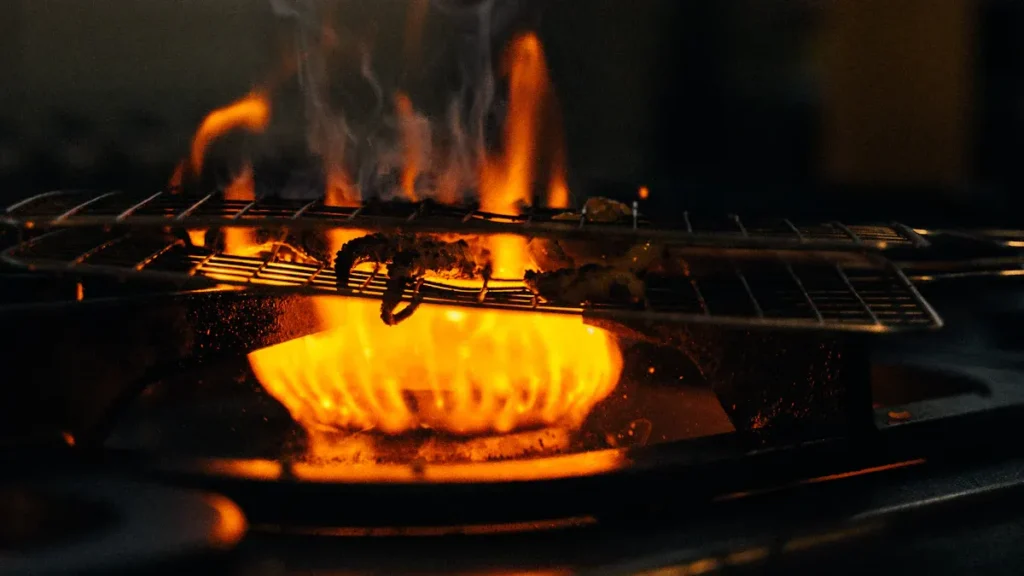
Testing the burner and gas system is a key part of your quality checks. You want every grill to light safely and work as expected. If you skip this step, you risk sending out grills that fail in the field or even cause accidents.
Ignition System Check
You need to check the ignition system on every gas grill. Start by pressing the igniter and watching for a strong, steady spark. If you see a weak or inconsistent spark, you may have a problem. Some common ignition system failures include:
- Clogged burner ports that cause uneven flames.
- Burners that only light in one section because of debris.
- Darkened spots on burner tubes, which can signal gas flow issues.
- Igniters that do not spark or only work sometimes.
You should also look at the type of ignition system. Piezo igniters need a firm snap to work. Battery or push-button igniters may need new batteries. Electrically driven ignitions depend on good wiring. If you find dirt or grease on the electrode, clean it. Replace worn parts like the electrode or spark generator if needed.
Tip: Always test the ignition system after cleaning or replacing any parts. This helps you catch problems before shipping.
Gas Flow and Leak Detection
You must check the gas flow to make sure it is smooth and steady. Blocked orifices or burner holes can stop gas from reaching the burners. This leads to poor performance or even safety risks. Inspect the burners for blockages and clear them if you find any.
To check for leaks, use a soap and water solution on all gas connections. If you see bubbles, you have a leak. Tighten the connections or replace faulty parts right away. Never ship a grill with a gas leak.
- Inspect all hoses and fittings for cracks or wear.
- Test each connection with soapy water.
- Fix any leaks before packing the grill.
Careful testing of the burner and gas system keeps your grills safe and ready for international shipping.
Performance and Safety Certification
When you prepare gas grills for international shipping, you must prove that each grill meets strict performance and safety standards. These checks help you avoid recalls, fines, or rejected shipments. You also build trust with your customers when you show that your grills are safe and reliable.
Heat Output Verification
You need to measure the heat output of every gas grill. This test shows if the grill can reach and hold the right temperature. Use a heat meter to check the output in units like BTU, kW, or MJ/h. Write down the results for each grill. If a grill does not reach the target range, you must adjust the burner or replace faulty parts.
Tip: Always test the grill with the lid closed and open to see how well it holds heat.
You should also check for even heat across the cooking surface. Move the thermometer to different spots on the grill. If you find cold spots, look for blocked burners or poor assembly. Fix these problems before you ship the grill.
Safety Device Testing
You must test all safety devices to meet international rules. These devices protect users from leaks, fires, and other dangers. The table below shows the main safety checks you need to perform:
| Safety Device/Requirement | Description |
|---|---|
| Construction | Test for stability and strength |
| Soundness | Check for gas leaks |
| Heat input | Measure heat output |
| Ignition and flame cross-lighting | Test ignition reliability |
| Flame stability | Check for flame lift and light back |
| Resistance to wind and rain | Test in bad weather |
| Overheating resistance of burner | Check burner safety at high temperatures |
| Combustion analysis | Test CO/CO2 emissions |
| NOx emissions | Test for nitrogen oxides |
| Atmosphere sensing | Test for oxygen depletion |
| Temperature rise | Test for LPG cylinder temperature |
You should record the results for each test. If a grill fails any test, fix the problem before shipping. These steps help you meet global standards and keep your customers safe.
Regulatory Compliance and Documentation
International Standards (CE, CSA, UL)
You must follow strict international standards when you ship gas grills overseas. Each region has its own rules. If you want to sell in the European Union, you need the CE mark. For North America, you need CSA or UL certification. These marks show that your grills meet safety and quality requirements.
Here is a table to help you understand the key differences:
| Standard | Key Focus | Certification Requirements | Emissions & Efficiency | Enforcement |
|---|---|---|---|---|
| CE | Safety and construction requirements for grills in the EU | Mandatory CE Marking, Declaration of Conformity | Focus on efficiency and emissions under Ecodesign Regulation | Market surveillance by EU authorities |
| CSA | Safety standards for outdoor cooking appliances in North America | CSA/UL Certification Mark, enforced by retailers | Primarily safety-focused, less on efficiency | CPSC can issue recalls for unsafe products |
| UL | Safety standards similar to CSA | De facto mandatory for market access | Similar to CSA, with emphasis on safety | Enforcement through litigation and retailer requirements |
You should check which standard applies to your target market. Always test your grills to meet these rules before shipping. If you skip this step, you risk having your shipment rejected or recalled.
Export Documentation
You need the right documents to clear customs without problems. Customs officers check your paperwork to make sure your shipment follows all rules. Missing or incorrect documents can cause long delays or even stop your shipment.
Proper documentation, such as accurate declarations and necessary certificates, is essential for avoiding delays in customs clearance. This ensures compliance with regulations, which directly influences the speed and success rate of the customs process for gas grills.
Here is a checklist of key documents you should prepare:
- Commercial invoice
- Packing list
- Certificate of origin
- Quality certificates (such as CE, CSA, or UL)
- Declaration of conformity
Keep copies of all documents. Double-check each one for accuracy. This step helps you move your gas grills quickly and safely through customs.
Pre-Shipment Inspection and Packing
Third-Party Inspection
You should always arrange a third-party inspection before shipping your gas grills. Independent inspectors check your products for quality and safety. They use their own checklist to look for problems you might miss. This step helps you avoid costly returns and unhappy customers.
A third-party inspection covers these key points:
- Product appearance and finish
- Function tests for burners and igniters
- Gas leak checks
- Label and marking verification
- Quantity and model confirmation
Tip: Choose an inspector with experience in gas appliances. They know what to look for and understand international standards.
You receive a detailed report after the inspection. This report shows you passed all checks. Customs officers and buyers trust these reports. You can use them to solve disputes or answer questions from authorities.
Packing Integrity
You must pack your gas grills well to protect them during shipping. Good packing keeps your grills safe from bumps, drops, and moisture. Poor packing can lead to damage, lost parts, or even rejected shipments.
Follow these steps for strong packing:
- Use sturdy, double-walled boxes.
- Wrap each grill part in protective material, such as foam or bubble wrap.
- Place small parts in labeled bags.
- Add corner protectors and edge guards.
- Seal boxes with strong tape.
Check your packing with this table:
| Packing Step | Checked (✔/✘) | Notes |
|---|---|---|
| Box strength | ||
| Protective wrap | ||
| Parts labeled | ||
| Seals secure |
Always label each box with handling instructions like “Fragile” or “This Side Up.” Clear labels help shippers handle your grills with care.
Careful inspection and strong packing help your gas grills arrive safely and ready for sale.
Common Mistakes and Best Practices
Frequent QC Errors
You can avoid many problems by knowing the most common quality control mistakes. Many exporters miss these errors, which can lead to delays, extra costs, or even rejected shipments.
- Skipping step-by-step checks: Some teams rush and do not follow the full checklist. This can leave out important safety or performance tests.
- Ignoring small defects: Small scratches, loose screws, or minor leaks may seem unimportant. These issues can grow into bigger problems during shipping.
- Poor record keeping: If you do not keep clear records, you may struggle to prove your grills meet standards. Customs officers often ask for proof.
- Not testing all safety devices: Missing a single safety test can cause your shipment to fail inspection in another country.
- Weak packing: If you use thin boxes or forget to secure parts, your grills can arrive damaged.
Note: Even one missed step can cause a shipment to be rejected at the border.
Effective Quality Assurance Tips
You can improve your quality control process by following proven strategies. Many exporters use these steps to reduce export-related issues for gas grills.
| Phase | Description |
|---|---|
| Documentation Audit | Request material test reports, weld inspection records, and third-party lab results. |
| Sample Testing | Conduct real-world stress tests on critical components like burners and grease management. |
| Production Monitoring | Schedule unannounced inspections during key manufacturing stages to ensure compliance. |
- Start with a documentation audit. Always ask for test reports and inspection records from your suppliers.
- Test samples under real conditions. Check burners and grease trays with stress tests to spot weak parts.
- Monitor production. Surprise inspections help you catch problems early and keep your team alert.
- Train your staff. Make sure everyone knows the checklist and understands why each step matters.
- Review and update your process. After each shipment, look for ways to improve your quality checks.
🛠️ Tip: A strong quality assurance plan protects your brand and keeps your customers happy.
You can ship gas grills overseas with confidence when you follow each quality control step. Use a checklist to track your inspections. Arrange third-party checks to catch hidden issues. Keep your documents organized and ready for customs.
- Check materials and assembly
- Test burners and safety devices
- Pack grills with care
Remember: Careful planning and attention to detail help you avoid costly mistakes and keep your customers safe.
FAQ
What documents do you need for shipping gas grills internationally?
You need a commercial invoice, packing list, certificate of origin, and quality certificates. Customs may also ask for a declaration of conformity. Always double-check your paperwork before shipping.
How do you check for gas leaks in a grill?
Mix soap and water. Brush it on all gas connections. If you see bubbles, you have a leak. Tighten the connection or replace the part before shipping.
Why is third-party inspection important?
A third-party inspector finds problems you might miss. They use their own checklist. Their report helps you prove your grills meet safety and quality standards.
What happens if your grill fails a safety test?
You must fix the problem before shipping. This may mean replacing a part or adjusting the assembly. Never ship a grill that does not pass all safety checks.
How can you make sure your packing is strong enough?
Use double-walled boxes and wrap each part. Label all boxes clearly. Check your packing with a checklist before you ship.