
Introduction: Pick Your Best Backyard Setup in Minutes
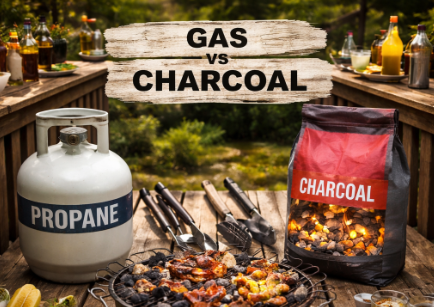
If you want fast start-ups, steady heat, and weeknight-friendly cooking, a gas grill usually fits better. If you want a stronger smoke-kissed taste and you enjoy a hands-on fire routine, charcoal grill cooking often feels more rewarding.
Here’s the simple truth: most buyers don’t regret the fuel. They regret buying a setup that doesn’t match their real life.
So before you compare shiny features, start with these five questions:
- Do you cook after work, or mostly on weekends?
- Do you care more about speed, or flavor depth?
- How much cleanup will you actually do?
- Do you cook thick cuts that need indirect heat?
- Is your patio small, windy, or shared with neighbors?
Bucket brigade: Good news…
You don’t need to be a BBQ expert to choose well. You just need a clear way to judge trade-offs.
This playbook walks you through flavor, control, cost, safety, and gear. By the end, you’ll know what fits your yard and your habits—without overthinking it.
1) Flavor Reality Check: Smoke, Sear, and “That Backyard Taste”
Flavor has three main drivers:
- Browning (that crust)
- Fat hitting heat
- Smoke from wood or coal combustion
Bucket brigade: Here’s the part most people miss…
Smoke flavor is not automatic. It’s a byproduct of fire behavior and airflow.
What smoke taste really comes from
A coal fire creates smoke compounds as it lights and burns. That’s why food often gets a deeper “BBQ” aroma with briquettes or lump.
A propane-based cooker can still make great-tasting food. You just create smoke on purpose:
- Add wood chunks near heat (in a box or foil pouch)
- Use a smoker tube or small tray
- Keep the lid closed so aroma stays around the food
Sear power: what matters more than fuel
A great sear is about surface heat and dryness, not hype.
Try this every time:
- Pat meat dry
- Preheat until grates are truly hot
- Sear first, then finish on a cooler side
- Rest before slicing
Bucket brigade: Quick win…
Stop flipping early. Let the crust form. You’ll taste the difference.
Food matchups that make choosing easier
Use your weekly menu as a shortcut:
- Steaks and chops: both fuels can crush it
- Burgers and sausages: both work, control matters more
- Chicken pieces: easier when you can create stable zones
- Fish and vegetables: steady heat and clean grates matter most
- Pizza: indirect heat and lid control beat “more flame”
2) Convenience vs Craft: How Much Work Do You Want?
Buying a grill is not just buying hardware. You’re buying a routine.
Bucket brigade: Be honest here…
If grilling feels like a project, you’ll do it less.
Weeknight cooking: friction kills consistency
On busy days, speed and simplicity win.
A low-friction routine looks like:
- Start
- Preheat
- Cook
- Quick brush
- Shut down
That’s why burner-driven cooking is popular for families and weekday meals.
Weekend cooking: process can be the point
Weekends change the vibe. Many people like building a fire, managing airflow, and hanging out while food slowly cooks.
If you enjoy:
- tinkering with vents
- learning heat zones
- adding wood for aroma
- stretching a cook over time
The learning curve: what beginners struggle with first
Most new backyard cooks make the same mistakes:
- Starting too soon (not enough preheat)
- Cooking everything on high heat
- Opening the lid every minute
- Skipping two-zone cooking
Bucket brigade: Fix this on day one…
Always set up two zones: a hot side and a cooler side. It saves chicken, thick steaks, and sauced foods.
3) Heat Control and Temperature Stability
If flavor is your “want,” heat control is your “need.”
Bucket brigade: This decides your confidence…
When heat is steady, cooking feels easy. When heat swings, you chase it.
Direct vs indirect heat: the real difference
Direct heat is fast. Indirect heat is controlled roasting.
Indirect cooking shines for:
- bone-in chicken
- thick steaks
- ribs
- roasts
- whole fish
A knob-controlled setup makes indirect heat simple: run one side, keep the other side low or off. A coal cooker can do the same with placement and vent control.
Holding steady temps for longer cooks
Long cooks don’t require mystery tricks. They require consistency.
Do this:
- Use a probe thermometer for the thickest part
- Keep the lid closed
- Make small airflow changes, not big swings
- Add fuel in small amounts when needed
Bucket brigade: Small habits, big results…
Stable heat beats “maximum heat” for most foods.
Weather and backyard conditions matter
Wind and cold change how any cooker behaves.
Watch for:
- wind stealing heat and speeding burn rate
- thin metal losing temperature fast
- lids that don’t seal well
- unstable carts that shift when you move food
4) Cost of Ownership: The Price Tag Isn’t the Whole Story
Most buyers compare sticker price and stop there. That’s a mistake.
Bucket brigade: Think in seasons…
You’ll pay for fuel, parts, and maintenance over time.
Upfront costs: what you’re really paying for
Higher price often means:
- thicker body panels for heat retention
- better grates
- smoother controls and more even heat
- sturdier carts and hinges
- easier cleaning design
Entry-level units can cook fine. They just may require more babysitting.
Fuel cost: what changes your bill
Your cost depends on your routine:
- short weekday meals
- longer weekend sessions
- cold-weather use
- how often you preheat and how long you keep it running
Coal for long cooks adds up faster than many people expect. Propane refills can be very reasonable for frequent quick cooks.
Parts and maintenance: the hidden budget
Over time, you may replace:
- grates
- ignition parts
- heat shields / flame covers on many gas units
- hoses or regulators
- drip trays and liners
Coal cookers have fewer mechanical parts, but still need rust prevention and ash management.
Bucket brigade: Money-saving move…
Before you buy, check if replacement parts are easy to find and fairly priced.
5) Safety and Practical Setup: Space, Rules, and Real-Life Use
Safety is not only about being careful. It’s also about choosing the right setup for your yard.
Bucket brigade: Start with your space…
A small patio changes everything.
Balcony and tight-space considerations
If you’re grilling near walls or railings, plan for:
- clear distance from structures
- good ventilation
- stable footing
- safe fuel storage
Many condos and apartments have restrictions. Always check local and building rules before buying.
Flare-ups, grease, and ash
Flare-ups happen when grease hits high heat.
Reduce risk by:
- trimming heavy fat on high-heat cooks
- keeping drip areas clean
- using a cooler zone to finish thicker foods
- not pouring sugary sauces over maximum heat early
For charcoal, ash needs respect:
- let ash cool fully
- store in a metal container
- never dump warm ash into plastic bins
Kid- and pet-friendly habits
If kids or pets are around:
- keep a “no-go zone” around the cooker
- avoid leaving lids open while stepping away
- keep tools off low tables
- have a small extinguisher nearby
Bucket brigade: Bottom line…
Pick the system you can run calmly. Calm cooks are safe cooks.
6) Food Results by Cooking Style: Let Your Menu Decide
If you’re stuck, don’t ask, “Which fuel is better?”
Ask, “What do I cook most?”
Bucket brigade: This makes it simple…
Your favorite foods reveal your best setup.
High-heat searing and quick grilling
For burgers, hot dogs, thin steaks, shrimp, and vegetables, you want:
- fast preheat
- strong surface heat
- a clean, hot grate
Do this:
- preheat fully
- pat food dry
- sear, then move to the cooler side if needed
- rest meat briefly before slicing
Low-and-slow cooking and roasting
For ribs, roast-style chicken, and larger cuts, steady heat matters more than “big flames.”
Use these rules:
- cook indirect
- use a drip pan under food for roast cooks
- trust a probe thermometer, not guesswork
- don’t open the lid often
Outdoor baking: pizza, flatbreads, tray bakes
For pizza and bread-like results:
- preheat the stone longer than you think
- aim for consistent top heat with the lid closed
- rotate once if your hot spot is strong
Bucket brigade: Quick takeaway…
If you bake outdoors often, choose a setup that holds heat well and supports indirect cooking easily.
7) Gear and Upgrades That Actually Change Results
You don’t need a pile of gadgets. You need a few tools that remove guesswork.
Bucket brigade: Buy less, cook more…
Smart tools reduce mistakes.
Must-have tools for better food
These are worth it for almost everyone:
- instant-read thermometer
- long tongs and a solid spatula
- heat-resistant gloves
- brush + scraper
- drip trays or liners that fit your model
A thermometer is the fastest way to stop overcooking chicken and ruining thick steaks.
Add-ons that are usually worth it
Great upgrades for real cooking value:
- rotisserie kit for chicken and roasts
- griddle plate for smash burgers and breakfast foods
- pizza stone for weekend cooks
- a fitted cover to protect from weather
Skip anything that adds steps but doesn’t add control.
Live-fire helpers that reduce hassle
If you choose charcoal cooking, these help a lot:
- chimney starter
- charcoal baskets or dividers
- heat diffuser for longer cooks
- metal ash can with a lid
Bucket brigade: Rule of thumb…
Prioritize control, safety, and cleanup. Everything else is optional.
8) What Buyers Want in 2026: Practical Trends That Matter
Trends are only useful if they help you cook more often.
Bucket brigade: Focus on real value…
A trend that saves time is a trend worth caring about.
Easier cleanup and less mess
More buyers want:
- better grease management
- easy-to-remove trays
- fewer flare-ups caused by poor grease flow
- surfaces that wipe clean without tight corners
A cleaner design means you’ll use it more.
Smarter temperature tools (without stress)
Thermometers and alerts are popular because they cut mistakes.
Useful tech looks like:
- dual probes (food + chamber)
- phone alerts that tell you when to pull food
- simple timers for hosting
Avoid features that demand constant attention.
Mixed cooking styles
Backyard cooks are mixing routines:
- quick weekday grilling
- weekend roasts
- occasional smoke flavor sessions
- more griddle-style meals
That’s why heat zones and accessory support matter more than ever.
9) Buyer’s Checklist: Choose with Confidence in One Visit
If you’re shopping in person, you can spot quality fast.
Bucket brigade: Ignore the sales pitch…
Look for the stuff you can feel.
Build quality signs you can check in 60 seconds
- lid feels solid and closes well
- cart doesn’t wobble
- grates feel heavy
- controls feel steady and not flimsy
- cleaning access looks simple
If it feels weak in the store, it won’t feel better later.
Sizing without regret
Most people misjudge size.
Use this simple guide:
- 1–2 people: compact is fine
- 3–5 people: mid-size fits most families
- 6+ guests often: larger surface helps, plus strong zoning
Also think about storage space and how often you’ll move it.
Questions to ask before you buy
- What does the warranty cover, exactly?
- Are parts easy to order?
- Which parts wear out most often?
- What maintenance is expected each season?
- What’s the return policy if heat control disappoints?
Bucket brigade: This is the smart buyer move…
Support and parts matter as much as cooking area.
Here’s a quick comparison table you can screenshot:
| What you care about | Better fit most of the time | Why |
|---|---|---|
| Fast weeknight meals | Propane setup | Quick start, steady control |
| Strong smoke-forward flavor | Charcoal cooker | Natural smoke compounds |
| Easy indirect roasting | Propane setup | Simple zone control |
| Hands-on fire management | Charcoal cooker | Airflow and fuel control |
| Lower mechanical part risk | Charcoal cooker | Fewer moving parts |
| Predictable repeat results | Propane setup | Dial-in heat faster |
10) Final Verdict: Quick Scenarios + Your First 30 Days Plan
There’s no universal “best.” There’s only what matches your schedule and your patience.
Bucket brigade: Use these quick picks…
Choose the scenario that sounds like your life.
Scenario picks
- “I cook after work.” → a burner-driven grill usually wins
- “I care most about smoky aroma.” → charcoal cooking is the easier path
- “I host and hate surprises.” → choose the option with steadier repeatability
- “I like learning the craft.” → live-fire cooking is more hands-on
- “My space is small.” → prioritize safety, ventilation, and calm control
Common mistakes in the first month
Avoid these and you’ll feel like a pro fast:
- not preheating long enough
- cooking everything over the hottest spot
- skipping a two-zone setup
- saucing too early over high heat
- opening the lid too often
- guessing doneness instead of checking temperature
A simple 30-day learning plan
Week 1: burgers + vegetables (practice zones and timing)
Week 2: chicken thighs or drumsticks (practice indirect finishing)
Week 3: thick steaks or chops (sear then finish)
Week 4: roast-style cook or pizza (practice steady lid heat)
Bucket brigade: Final takeaway…
Pick the fuel style you’ll actually use. Then master two-zone cooking and a thermometer. That combo delivers confident backyard results in 2026—without stress, wasted food, or buyer’s regret.