
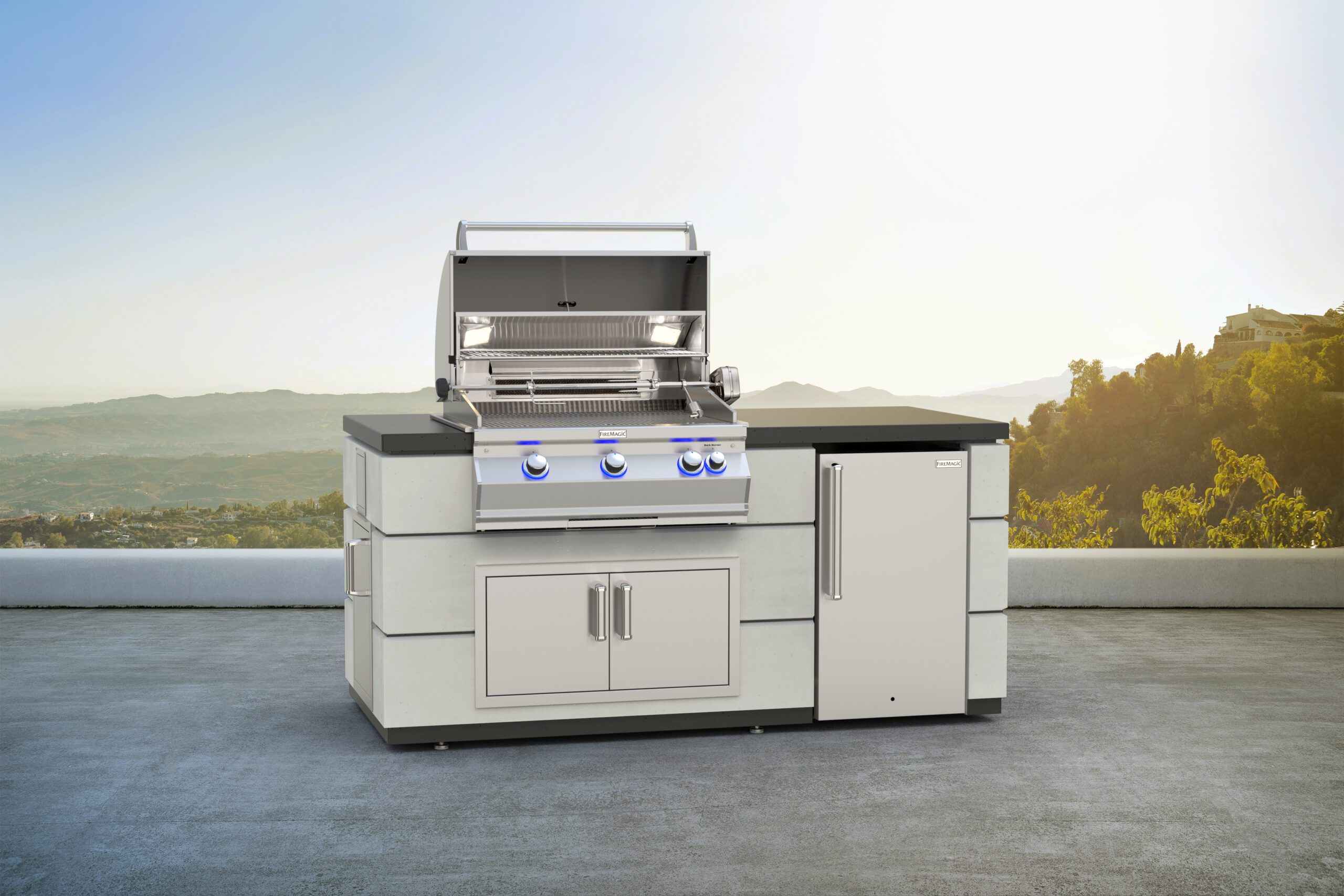
Backyard BBQs feel simple when the grill works well. People want a grill that lights fast, heats evenly, and cooks food with little effort. A good gas grill makes outdoor meals feel relaxed because it removes stress from the process. You do not wait long for heat. You do not fight with uneven flames. You enjoy food and time with people. This idea creates a strong reason to understand what makes a gas grill truly effortless.
The best gas grills for easy backyard cooking are models that balance size, strong materials, steady burners, the right BTU range, a safe fuel type, durable stainless steel parts, and practical accessories. These parts work together to make grilling simple for new and experienced cooks.
Some buyers look at price first and features later. Others choose based on looks. Both approaches can lead to disappointment when cooking results do not match expectations. This guide explains the key ideas that shape real performance so each buyer chooses a grill that fits their daily habits. The goal is simple: make outdoor cooking easier, faster, and more enjoyable.
What Size Gas Grill Do You Really Need?
Choosing the right grill size affects the whole cooking experience. When the grill fits your space and cooking habits, you feel in control. Food cooks at a steady pace. You have room to move items without crowding. The grill becomes a tool that supports your meals instead of making them harder. Many people assume the biggest grill automatically works best. The truth is more practical. The best size is the one that matches how you cook most days, not once in a while.
The size you need depends on how many people you cook for, how often you grill, and how much space you have. Small grills fit quick meals. Medium grills fit most families. Large grills work for people who host many guests.
A simple guide makes this clearer:
| People Served | Cooking Area | Best Use |
|---|---|---|
| 1–3 people | 300–400 sq in | Daily meals, small patios |
| 4–6 people | 450–550 sq in | Most backyard needs |
| 6–10 people | 600–750 sq in | Larger families and gatherings |
| 10+ people | 750+ sq in | Parties and events |
A medium grill often gives the most balanced cooking experience. It heats fast. It offers enough space for meat and vegetables without wasting gas. It lets you arrange food into different heat zones. This helps with both fast and slow cooking. When the grill is too small, everything becomes crowded. Food cooks slower. Flipping becomes hard. When the grill is too large, heat spreads out and uses extra fuel. You also spend more time preheating. This can feel wasteful for small meals.
Cooking habits also shape the size choice. People who grill a few nights each week often enjoy a medium model because it supports both simple meals and weekend cooking. People who live in homes with small balconies or compact yards appreciate a small grill because it fits better and warms up quickly. People who host events or prepare food for extended family prefer large grills because they need the extra space.
The right size helps food cook evenly. It gives you space to move items away from strong heat. It supports different cooking styles. A grill that matches your habits feels easier to use and helps you cook with confidence.
Which Gas Grill Materials Last the Longest?
Materials shape how long a gas grill lasts outdoors. Weather, heat, and moisture test every part of the grill. When the grill is made with strong materials, it stays stable and safe for many years. When the grill uses weak materials, parts bend, rust, or break. Many people choose a grill based on looks, but surface shine does not always show true strength. Choosing the right material helps avoid repairs and replacements.
Stainless steel, porcelain-coated steel, and porcelain-coated cast iron are the most durable materials for gas grills. Stainless steel resists rust. Porcelain coatings protect metal. Porcelain-coated cast iron holds heat well while staying protected.
open.jpg)
Here is a comparison table:
| Material | Durability | Rust Resistance | Heat Hold | Notes |
|---|---|---|---|---|
| 304 Stainless Steel | Very high | Very high | Medium | Best long-term option |
| 430 Stainless Steel | High | Good | Medium | Common in mid-range grills |
| Porcelain Steel | Medium | Medium | Low | Can chip if handled roughly |
| Porcelain-Coated Cast Iron | High | High | Very high | Great for searing |
| Bare Cast Iron | High | Low | Very high | Needs constant seasoning |
304 stainless steel is the strongest and most reliable. It handles rain, heat, and moisture better than most other metals. It rarely rusts. Fireboxes and lids made from 304 stay stable for many years. This is why many premium grills use 304 for key parts. Some grills use a mix of 304 and 430 stainless steel to reduce cost. This mix works because 304 sits where heat is strongest, while 430 covers outer surfaces.
Porcelain-coated steel helps keep rust away. It makes cleaning easy. Food and oil slide off smoothly. But it can chip if hit hard. Once chipped, water can enter and cause rust. This means gentle handling keeps it in good shape.
Porcelain-coated cast iron grates are popular because they hold heat better than standard steel. This helps create strong sear marks. They are heavier and need support, but they give excellent results.
Choosing the right material affects how the grill performs after one year, three years, or ten years. Strong materials keep heat steady. They keep parts in place. They reduce the need for repairs. A grill made with durable materials stays dependable and safe, even with constant outdoor use.
How Many Burners Are Best for Backyard BBQs?
Burners control heat. They decide how much food you can cook at once. They also decide how flexible the grill feels. When you have more burners, you have more heat zones. You can cook food at different speeds. You can keep food warm without burning it. You can cook large meals with confidence. This is why burner count matters so much for backyard cooking.
Most backyard cooks get the best results with 3 to 5 burners. This range offers strong heat, good control, and enough room for family meals and gatherings.
right-side.jpg)
.jpg)
open.jpg)
right-side.jpg)
Here is a simple guide:
| Burners | Best Use | Notes |
|---|---|---|
| 2 burners | Small meals | Limited heat zones |
| 3 burners | Families | Balanced cooking |
| 4 burners | Medium gatherings | Better heat control |
| 5 burners | Large groups | Supports more food types |
Three-burner grills feel balanced because they create three heat zones: high, medium, and low. This setup supports many cooking styles. You can sear meat, cook vegetables at gentle heat, and warm bread at the edge. Four-burner grills expand this flexibility. They hold more food and give more zones. They help cooks manage different items with ease. Five burners offer even more space. They support roasting large cuts or cooking different dishes at once.
Burner count also shapes fuel use. More burners consume more gas only when turned on. If you cook a small meal, you can turn off extra burners. This gives flexibility without wasting fuel.
Heat zoning becomes more important when cooking for groups. If the grill has too few burners, you cannot control heat across the surface. Food cooks at one speed. This limits searing, slow cooking, and warming. A grill with enough burners creates a more comfortable workflow. You move food easily between hot and cool areas. Burning becomes less likely.
Burners must also work with the grill’s design. Burner shape, flame tamers, and hood design all shape how heat spreads. When these parts align well with the number of burners, the grill feels predictable and easy to use.
Choosing the right number of burners helps the grill match your lifestyle. It supports steady heat, flexible cooking, and simple meal preparation.
What BTU Range Delivers Even Cooking Results?
People often think higher BTU means better performance. BTU measures heat output, but it does not guarantee even cooking. What matters most is how the BTU level matches the grill’s size and design. Proper balance creates steady heat. Too much heat burns food. Too little heat makes cooking slow and uneven.
A good range for most grills is about 10,000 BTU per burner, with the total BTU adjusted to match the grill’s size. This creates balanced heat that cooks food evenly without burning.
Here is a reference guide:
| Grill Size | Burners | Total BTU Range |
|---|---|---|
| Small | 2 burners | 18,000–24,000 |
| Medium | 3–4 burners | 30,000–48,000 |
| Large | 5–6 burners | 50,000–72,000 |
Heat output becomes meaningful when matched with grill design. A grill that has very high BTU numbers but thin metal walls loses heat quickly. This lowers real performance. A grill with balanced BTUs and strong walls holds heat longer. This makes cooking steady.
BTU also connects with burner efficiency. Some burners use gas more effectively. They spread heat evenly across the grate. Others produce hot spots that make cooking difficult. Flame tamers help fix this by spreading heat and protecting burners from drippings.
When BTU is balanced with grill size, the cooking experience becomes simple. The grill heats fast. It stays hot when food is added. It recovers heat quickly after the lid opens. This makes searing easier. It also makes slow cooking steadier.
High BTU without balance creates problems. Food burns quickly. Beginners struggle with temperature control. The grill consumes more fuel than needed. Balanced BTU gives predictable heat, smoother cooking, and better food quality.
Grills listed in Holagrills’ catalog follow this balanced structure. Burners average around 10,000 BTU each, which supports strong heat while keeping control simple.
Choosing a grill with balanced BTUs is one of the easiest ways to improve cooking results.
Should You Choose Propane or Natural Gas?
Fuel type shapes the convenience and cost of backyard grilling. Many people choose based on habit, but the decision deserves thought. Each fuel type gives a different experience. Your cooking style and outdoor space decide which is better.
Propane gives strong heat and easy movement. Natural gas gives steady heat and low long-term cost. Propane fits portable grills. Natural gas fits permanent outdoor setups.
Here is a simple comparison:
| Fuel Type | Heat Output | Cost | Movement | Best Use |
|---|---|---|---|---|
| Propane | High | Medium | Portable | Most backyards |
| Natural Gas | Medium | Low | Fixed | Outdoor kitchens |
Propane heats fast. It works well for searing. It fits people who want to move their grill. You can place the grill anywhere with enough airflow. Propane tanks are easy to replace. This makes weekend cooking simple.
Natural gas works for long-term setups. It connects to a gas line, so fuel never runs out. This removes the stress of checking tanks. It is cheaper over time. It is also safer because the line is fixed and controlled.
Propane fits renters, small yards, and patios where movement matters. Natural gas fits homeowners who grill often and want a permanent station.
Both fuels are safe when used correctly. Propane tanks must be stored upright. Gas lines must be installed by trained workers.
Fuel type also affects cost. Propane costs more per use, but you pay only when you buy a tank. Natural gas costs less per hour and runs forever unless lines are shut off.
People should think about how often they grill, where they place the grill, and how long they plan to stay in the home. Propane supports flexibility. Natural gas supports stability.
Are Stainless Steel Gas Grills Worth the Price?
Stainless steel often costs more, so people want to know if the price makes sense. The answer depends on how often someone cooks and how long they want the grill to last.
Stainless steel grills are worth the price because they resist rust, stay strong in weather, and last longer than coated steel grills. They also clean easily and maintain heat well.
304 stainless steel gives the best durability. It stays clean and rust-free even in humid weather. 430 stainless steel costs less but offers good strength for outer panels. Many quality grills use a mix of both to control cost.
Stainless steel also affects heat efficiency. Lids made from stainless steel hold heat well. Burners made from stainless steel last longer because they resist corrosion. This reduces long-term repair and replacement costs.
Cheaper painted grills look fine in the beginning. Over time, paint chips. Rust spreads. Heat becomes uneven. Stainless steel avoids these problems.
For people who cook often, stainless steel becomes a long-term investment. It stays stable for many years. It keeps food safe. It keeps the cooking experience steady.
Holagrills uses large amounts of stainless steel in both standing and built-in models, including 304 fireboxes, premium burners, and strong frames. This design increases durability and performance.
When people choose stainless steel, they choose a grill that remains dependable through many seasons.
Which Gas Grill Accessories Upgrade Your BBQ Setup?
Accessories change how smooth and enjoyable backyard cooking feels. They expand what you can do with the grill. They help protect the grill. They support better food quality.
The best accessories for upgrading your grilling experience are grill covers, rotisserie kits, smoker boxes, cast iron grates, and side shelves. These tools improve cooking flexibility and make setup easier.
Here is a quick guide:
| Accessory | Use | Why It Helps |
|---|---|---|
| Grill Cover | Protection | Keeps grill clean and dry |
| Rotisserie Kit | Roasting | Makes chicken and roasts easy |
| Smoker Box | Flavor | Adds smoke to gas grilling |
| Cast Iron Grates | Searing | Creates strong grill marks |
| Side Shelves | Prep Space | Helps organize tools |
A grill cover extends the grill’s life. Rain and sun damage metal over time. A cover stops this. It also keeps dust away.
Rotisserie kits make slow roasting simple. The rotation cooks meat evenly. It keeps juices inside. This helps with whole chickens, roasts, and ribs.
Smoker boxes let cooks enjoy smoke flavor without owning a charcoal grill. They hold wood chips close to the flame. As the chips heat, they release smoke that covers the food.
Cast iron grates store heat better than simple steel. They help create noticeable sear marks. They improve flavor and texture. When coated with porcelain, they resist rust.
Side shelves give more space for tools and ingredients. They help keep the cooking area organized. This makes grilling less stressful.
Accessories turn the grill into a complete cooking station. They make grilling feel smoother and more enjoyable. Holagrills also offers many accessory options like rotisserie motors, stainless steel skewers, cast iron grates, and LED knobs.
Conclusion
Effortless backyard cooking comes from a grill that matches your real needs. Size, materials, burners, BTUs, fuel type, stainless steel parts, and accessories all shape how easy grilling feels. When these parts work together, the grill heats faster, cooks more evenly, and lasts much longer.
People who understand these ideas choose grills with confidence. They enjoy cooking because the grill feels predictable and simple to use. A good gas grill becomes a reliable part of outdoor life. It brings people together, supports daily meals, and makes weekends feel more special.