
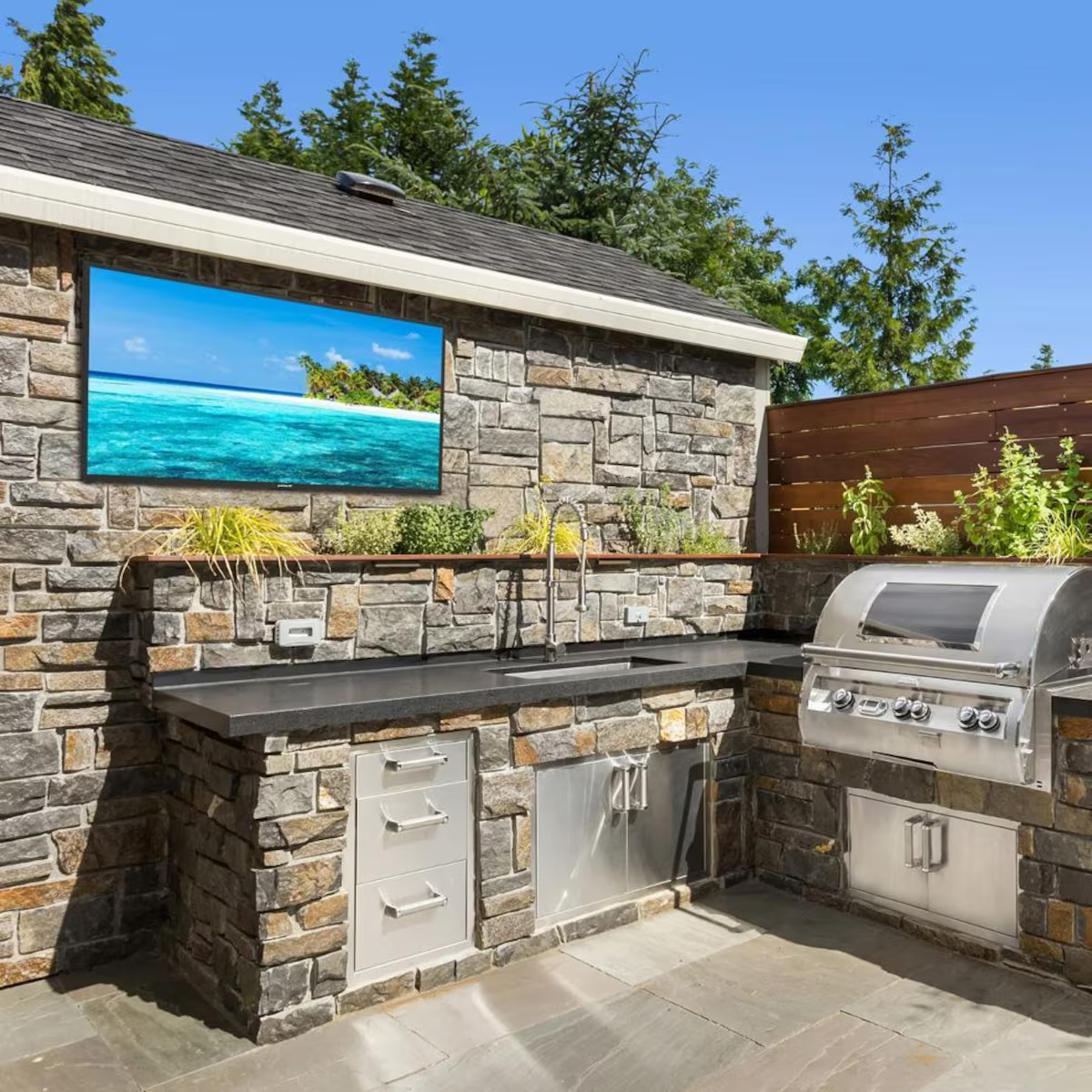
When the weekend comes and the smell of grilled food fills the air, nothing beats the feeling of standing behind your own gas grill. Whether it’s for family gatherings, neighborhood cookouts, or quiet Sunday dinners, a gas grill brings people together. But before you invest in one, there are key things you should understand to make a smart decision.
Before buying a gas grill for your backyard, you should consider several important factors such as size, fuel type, material, heat control, safety, and price. Choosing wisely ensures your grill fits your space, budget, and cooking style for long-term satisfaction.
Most first-time buyers make the mistake of looking only at price or brand names. Yet the right grill depends on what you cook, how often, and where you plan to use it. Let’s go through the key questions that will help you choose the best backyard gas grill.
What size gas grill fits your backyard perfectly?
Choosing the right size grill depends on how much space you have and how often you cook. A grill that’s too small limits what you can cook. A grill that’s too big wastes gas and space.
When measuring, leave at least two feet of clearance on each side for safety and airflow. Consider how many people you usually cook for.
| Number of People | Ideal Grill Size (Cooking Area) |
|---|---|
| 2–4 people | 300–400 square inches |
| 5–8 people | 500–600 square inches |
| 8+ people | 650–750+ square inches |
Think about the type of meals you’ll cook. If you love grilling ribs or whole chickens, you’ll need more space and multiple burners for indirect cooking. For small patios or balconies, compact 3-burner grills or portable units may be better.
Quick Tip:
If you often host gatherings, choose a larger grill with at least four burners. You’ll be able to cook meat and vegetables at different temperatures at once.
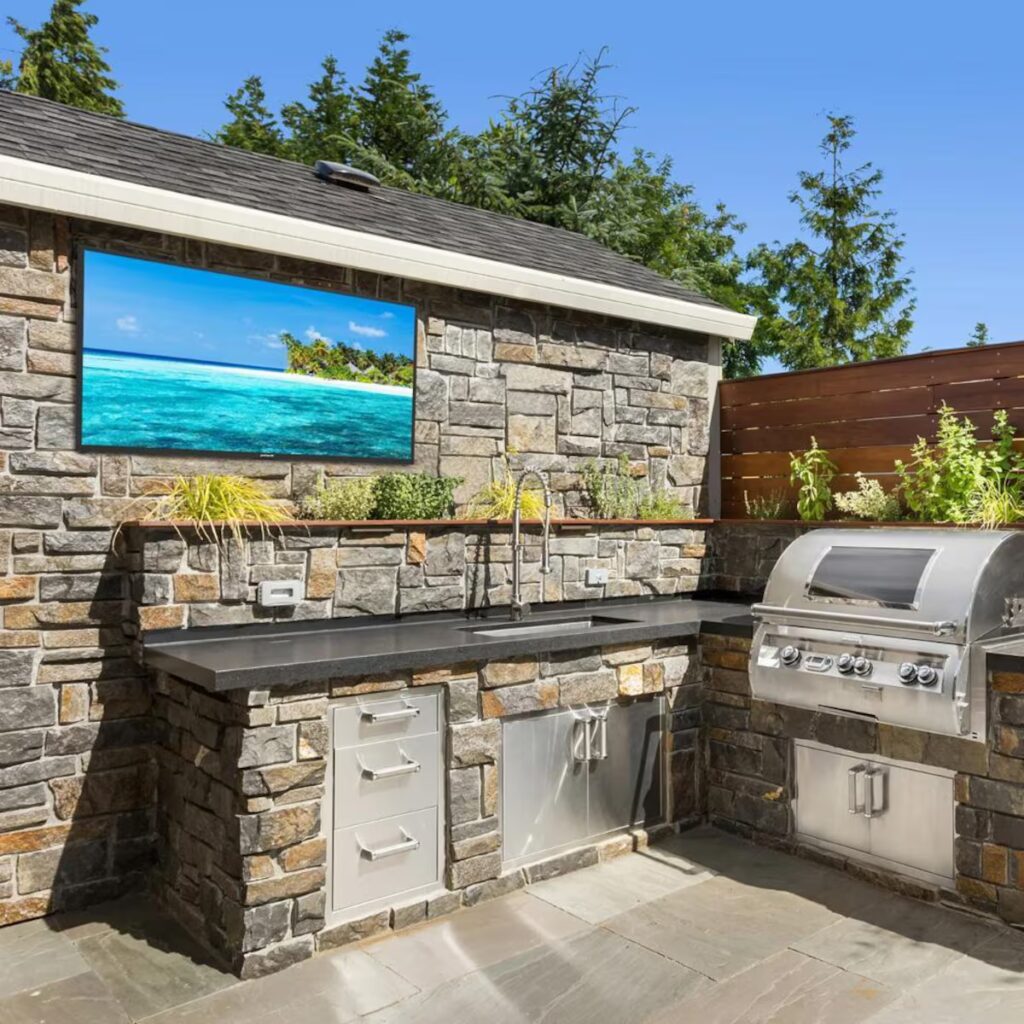
A well-sized grill not only improves cooking efficiency but also keeps your outdoor area balanced and neat.
Propane or natural gas: Which fuel type is best?
The two most common fuel options for backyard gas grills are propane and natural gas. Each has unique advantages and small trade-offs.
Propane grills use portable tanks and are easy to move around. They’re ideal if you like flexibility or need to grill away from a fixed gas line.
Natural gas grills, on the other hand, connect to your home gas supply and offer convenience for regular use.
| Feature | Propane | Natural Gas |
|---|---|---|
| Mobility | Portable | Fixed |
| Refueling | Replace tank | Continuous supply |
| Installation | No setup | Requires connection |
| Cost over time | Slightly higher | Lower per use |
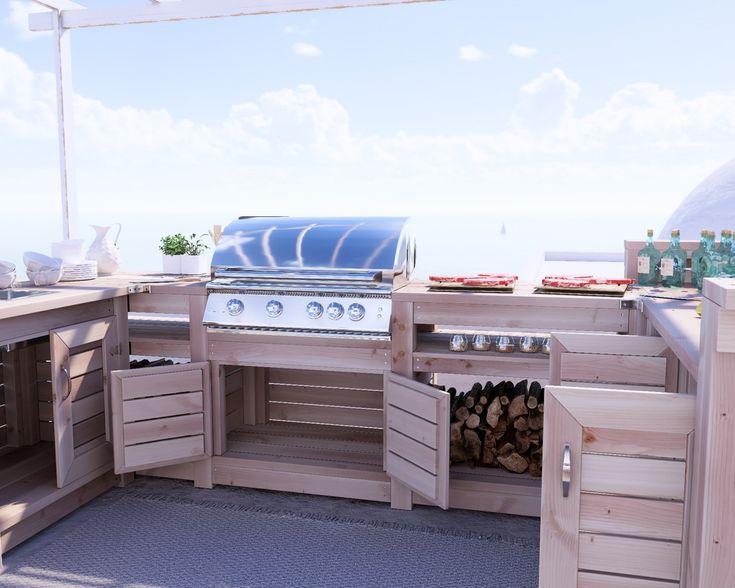
For most homeowners, propane is simple and versatile. But if you have a permanent outdoor kitchen, natural gas is cleaner and cheaper long-term.
What materials will ensure your grill lasts for years?
Durability depends heavily on what your grill is made of. Cheap materials rust, fade, or warp after a single season. A quality gas grill should use 304 stainless steel, known for corrosion resistance and strength.
Check the burner tubes, firebox, and cooking grates carefully. Avoid painted steel—it peels and rusts quickly.
| Component | Recommended Material |
|---|---|
| Firebox | 304 Stainless Steel |
| Burners | Cast Stainless or Brass |
| Grates | Porcelain-Coated Cast Iron |
| Frame | Powder-Coated or Stainless Steel |
Also, look for double-layer lids and welded joints. They improve heat retention and reduce wear.
Extra Tip:
Grills made with 304 stainless steel are more expensive but last years longer and maintain heat more evenly than cheaper grades.
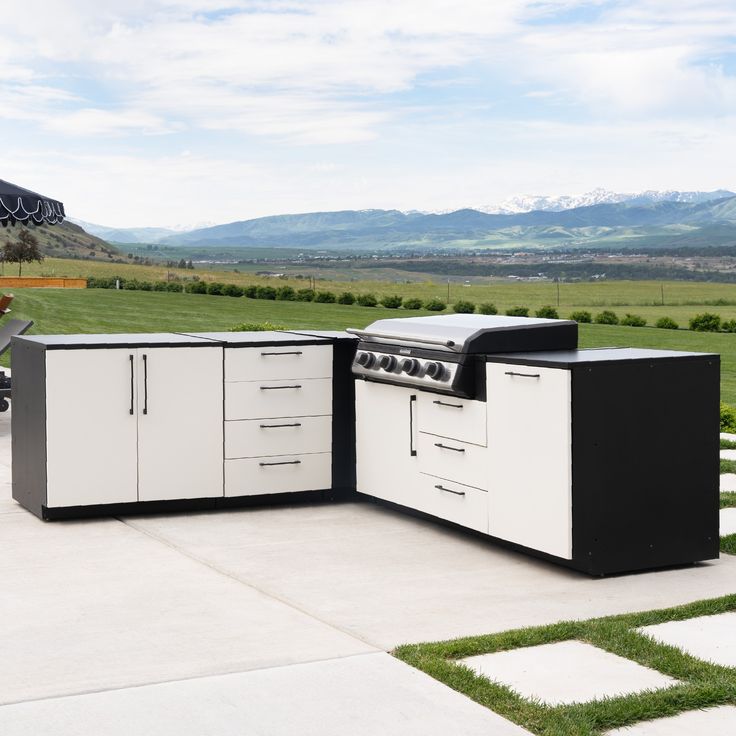
Choosing the right materials means less maintenance, better heat performance, and a longer lifespan.
How many burners and zones should your gas grill have?
More burners mean better heat control. With multiple zones, you can sear steaks on one side and slow-cook vegetables on the other.
Most backyard grills come with three to six burners. For small families, three burners are enough. For large parties, five or six burners offer more flexibility.
| Burner Count | Cooking Style | Ideal Use |
|---|---|---|
| 3 Burners | Small meals | Families of 3–4 |
| 4–5 Burners | Balanced cooking | Medium gatherings |
| 6+ Burners | Multi-zone grilling | Large events or catering |
When evaluating, check the BTU (British Thermal Unit) rating too. Around 10,000 BTUs per burner is ideal for steady heat and fuel efficiency.
Key Point:
Even heat distribution matters more than sheer power. A grill with even flame spread will cook your food perfectly on all sides.
What key features improve temperature control on a gas grill?
Consistent heat is the secret to great grilling. Features like built-in thermometers, flame tamers, and adjustable burner knobs give you control over every meal.
Look for these components:
- Flame tamers: Prevent flare-ups and spread heat evenly.
- Thermometers: Let you monitor heat without opening the lid.
- Zoning valves: Adjust temperature for each burner separately.
Common Issue:
Many low-cost grills heat unevenly. Check product reviews or test in person to ensure even flame distribution.
| Feature | Benefit |
|---|---|
| Flame tamers | Reduce flare-ups |
| Thermometer | Monitors heat precisely |
| Heat zones | Enable multi-style cooking |
Proper temperature control lets you grill anything—from seared steaks to slow-smoked ribs—with confidence.
How do you clean and maintain a gas grill properly?
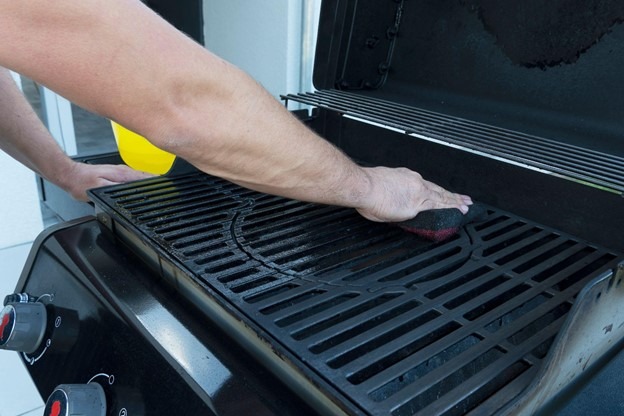
A well-maintained grill lasts longer and cooks better. Cleaning doesn’t have to be hard when you do it regularly.
- After each use, burn off excess grease by keeping the grill on high for 10 minutes.
- Scrub grates with a stiff brush once they’ve cooled slightly.
- Empty and clean grease trays to prevent flare-ups.
- Check gas lines for leaks every few months using soapy water.
| Frequency | Maintenance Task |
|---|---|
| After each use | Brush grates and empty tray |
| Monthly | Deep clean grates and burners |
| Every 6 months | Check gas hose and connections |
Pro Tip:
Avoid harsh chemicals. Use warm water and mild dish soap for stainless steel. Always dry thoroughly to prevent rust.
What safety features should your gas grill include?
Safety comes first when working with fire and gas. Reliable grills include built-in protection systems like flame failure valves, heat shields, and auto shut-off functions.
Check these safety elements before purchase:
- CSA or CE certification
- Stable wheel locks and sturdy legs
- Cool-touch handles and knobs
- Automatic ignition and shutoff
| Safety Feature | Function |
|---|---|
| Flame failure valve | Cuts gas if flame goes out |
| CE/CSA certification | Confirms safety compliance |
| Heat shield | Protects knobs and hands |
| Locking casters | Prevents movement during use |
A safe grill not only prevents accidents but also gives you peace of mind during family gatherings.
What does a good warranty look like for a gas grill?
A strong warranty shows the manufacturer’s confidence in their product. Most premium grills include 3–10 years of coverage on key parts.
Check these points:
- What components are covered (burners, grates, ignition)?
- Does the warranty include labor or parts only?
- Are there conditions that void the warranty (e.g., rust, misuse)?
| Brand Type | Typical Warranty Length |
|---|---|
| Budget Models | 1–2 years |
| Mid-Range Grills | 3–5 years |
| Premium Grills | 8–10 years |
Always keep your purchase receipt and register your grill online to activate support. Warranties save you time and cost if issues appear later.
How much budget should you allocate for a quality gas grill?
The cost of a gas grill varies widely. You can find entry-level models for around $200 and high-end stainless-steel versions for $1,000 or more.
| Price Range | Type of Grill | Features |
|---|---|---|
| $200–$400 | Basic Propane Grills | Simple design, limited burners |
| $500–$800 | Mid-range Grills | Stainless frame, 4 burners |
| $900+ | Premium Grills | Full stainless, side burner, rotisserie |
Decide based on frequency of use. For weekly cooks, investing in a durable stainless model pays off long-term. Don’t forget accessories, covers, and fuel costs when budgeting.
What grill accessories enhance your backyard cooking experience?
Accessories take your grilling from good to great. Common ones include rotisserie kits, grill covers, side shelves, and temperature probes.
| Accessory | Use |
|---|---|
| Rotisserie kit | Even roasting of meats |
| Grill cover | Protects from weather |
| Side shelves | Extra prep space |
| Thermometer probe | Checks internal food temp |
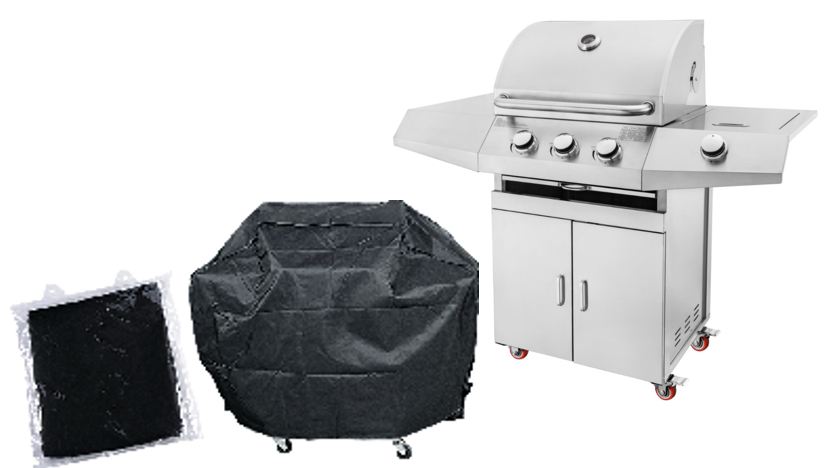
Adding accessories expands what you can cook and makes each session easier and more fun.
Conclusion
Buying a gas grill for your backyard is not just about picking a brand. It’s about matching your cooking habits, outdoor space, and safety needs.
Remember to check grill size, material, number of burners, and warranty coverage. Regular maintenance and smart safety habits will keep your grill in top shape for years.
Whether you’re cooking for two or twenty, a well-chosen gas grill turns your backyard into your favorite place to be.
FAQs
What size of gas grill do I need?
It depends on how many people you cook for and where you place the grill — aim for 300-400 sq in for small groups, 500-600 sq in for family use. (Bbq House)
Is natural gas or propane better for a backyard grill?
Propane is flexible and easy to move, while natural gas offers lower long-term cost but fixed installation. (The Home Depot)
How long does a gas grill last?
With good materials and maintenance, a quality gas grill can last 10 years or more; cheaper models often need replacement sooner. (BBQGuys)
How often should I clean my gas grill?
You should clean the grates after each use, and perform deeper maintenance monthly or every few months to keep performance high. (Allrecipes)
What materials make a gas grill durable?
Look for stainless steel (especially 304 grade), cast iron grates, and strong construction rather than thin painted metal. (Bbq House)
Does the number of burners matter?
Yes — more burners allow different cooking zones (searing on one side, slow-cooking on the other) which adds flexibility and better results. (Bbq House)