
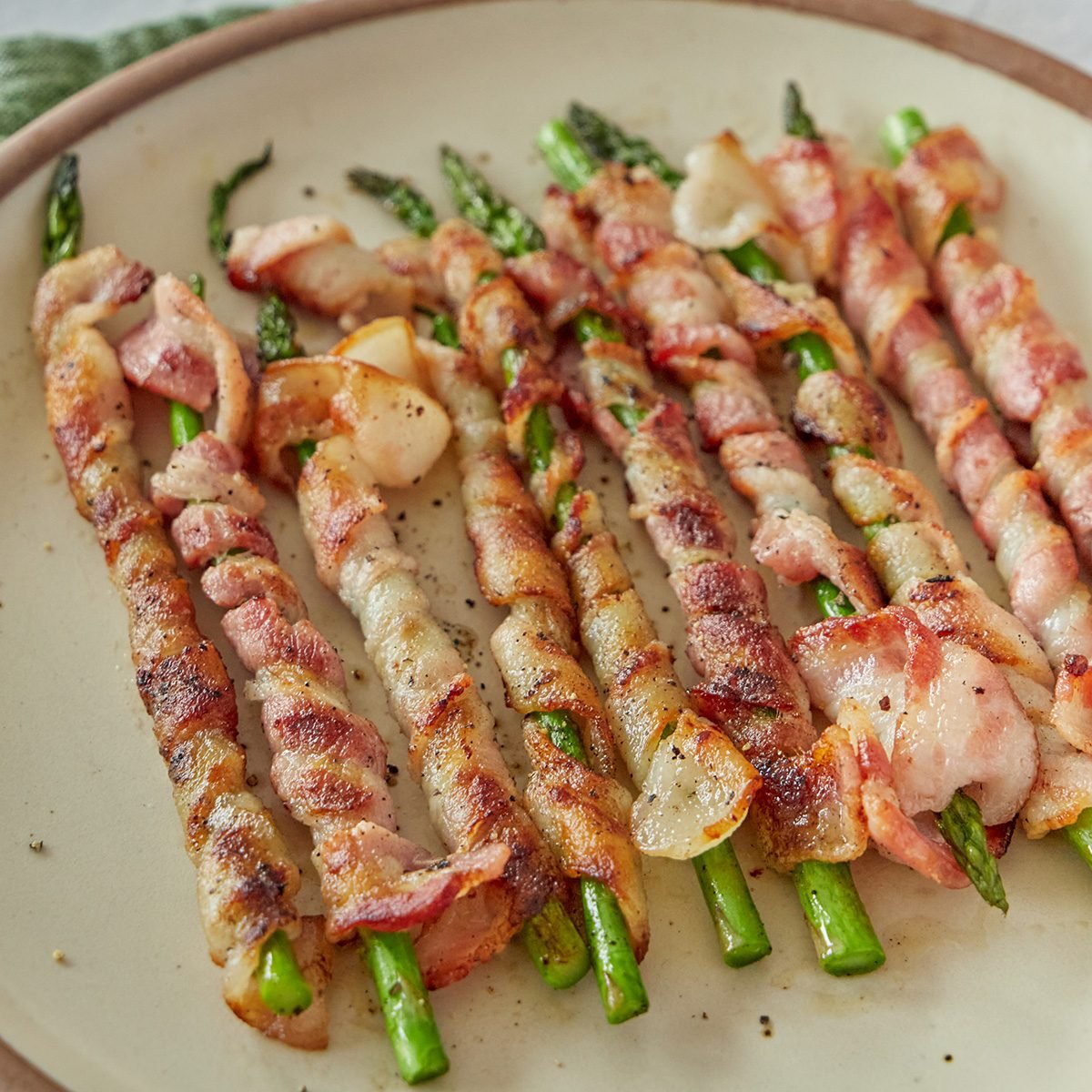
Grilling outdoors is one of life’s simple pleasures. The smell of sizzling food, the sound of friends chatting, and the feeling of fresh air make every cookout special. Beyond fun and flavor, there’s a real benefit: cooking on a gas grill can actually help you eat healthier. It’s a lifestyle that blends good food, sunshine, and well-being.
Cooking with a gas grill is healthier because it reduces fat, locks in nutrients, and promotes active outdoor living. It also encourages lean meals with less oil while adding natural smoky flavor. This makes gas grilling one of the best ways to enjoy delicious food that supports your health.
Many people think of grilling as a weekend treat, but it can be part of a healthy routine. When done safely and correctly, outdoor cooking helps you eat better and feel better. Let’s look at how a simple grill can make a big difference in your diet and daily life.
How Does a Gas Grill Reduce Unwanted Fat?
When meat cooks on a gas grill, the fat drips off instead of soaking back into the food. That means fewer calories in every bite. Unlike frying, which traps oil and fat, grilling keeps meals lean without losing taste.
Gas grills help reduce unwanted fat by allowing grease to drain away naturally during cooking. The sloped grates and open flame let excess fat melt off, leading to lighter, healthier meals.
This process makes grilled food both crisp and juicy. It’s one reason why many athletes and fitness lovers prefer grilling to frying. You can enjoy the flavor of burgers, steaks, or chicken without extra oil or butter. It’s also a smart choice for anyone watching cholesterol or heart health.

Comparing Fat Retention by Cooking Method
| Cooking Method | Fat Retained | Added Oils | Health Level |
|---|---|---|---|
| Deep Frying | Very High | Yes | Low |
| Pan Frying | High | Yes | Medium |
| Baking | Medium | No | Good |
| Grilling | Low | Minimal | Excellent |
Image placeholder – a side view of fat dripping off grilled meat.
Another plus is portion control. Because grilled food tastes richer and more satisfying, people often eat less while feeling full. Combined with healthy sides like grilled veggies or corn, it turns into a balanced, guilt-free meal.
Why Do Gas Grills Keep More Nutrients in Food?
When food cooks too long or sits in boiling water, vitamins like B and C get lost. Gas grilling helps avoid that. The high, quick heat locks in moisture and nutrients.
Gas grilling preserves nutrients because it cooks food fast at high temperatures without water loss. It keeps vitamins and minerals sealed inside while adding flavor through caramelization.
Unlike slow roasting or frying, grilling forms a crisp crust that traps juices inside. That’s why grilled vegetables stay bright, crunchy, and sweet. Lean meats keep their protein and iron without drying out.
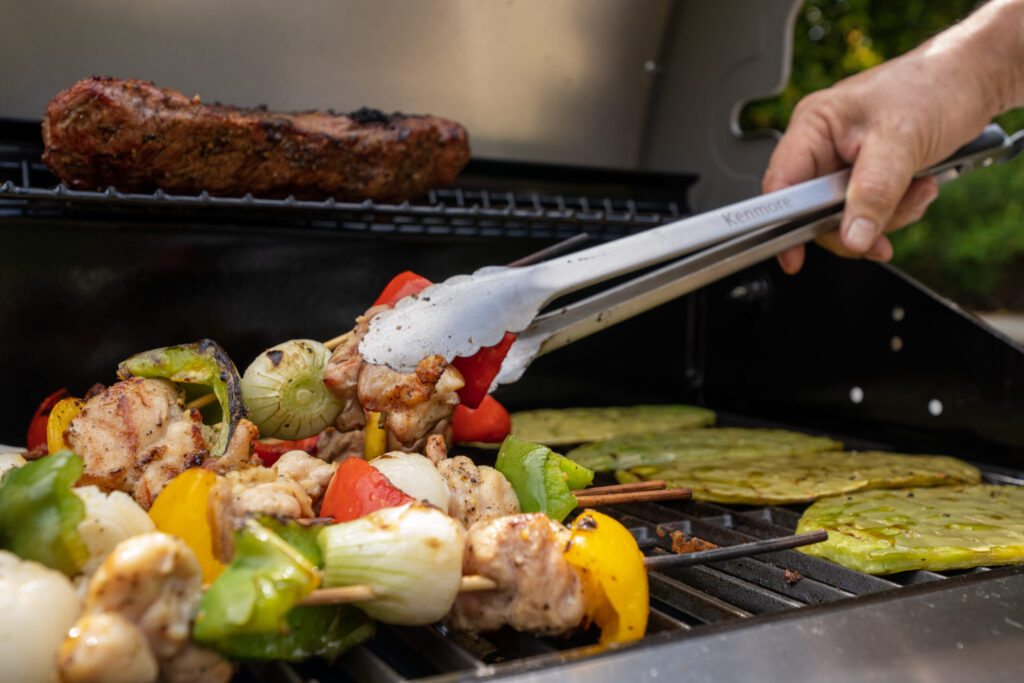
Nutrient Comparison Chart
| Cooking Style | Vitamin C Retention | Protein Retention | Flavor Intensity |
|---|---|---|---|
| Boiling | Low | Medium | Mild |
| Steaming | High | High | Natural |
| Grilling | High | High | Rich and Smoky |
Image placeholder – grilled vegetables on stainless steel grates.
By using moderate heat and flipping food carefully, you can keep nutrients intact. A gas grill gives precise temperature control, which helps prevent overcooking. That means more color, more texture, and more nutrition in every bite.
What Makes Gas Grilling Better Than Frying?
The main difference is oil. Frying requires a lot of it; grilling barely needs any. When you grill, natural fats in the food do the job.
Gas grilling is better than frying because it uses less oil, lowers calorie intake, and prevents trans-fat buildup. It also creates a smoky flavor without the greasiness of fried food.
Many fried dishes are soaked in oil, which can add hundreds of calories. Gas grills cook with dry heat, allowing meat to cook in its own juices. That’s why grilled chicken tastes fresher than fried chicken—it’s lighter but still flavorful.
Quick Comparison
| Feature | Frying | Gas Grilling |
|---|---|---|
| Oil Needed | High | Minimal |
| Fat Content | High | Low |
| Texture | Greasy | Crispy |
| Flavor | Heavy | Clean |
| Health Impact | Poor | Excellent |
Image placeholder – side-by-side of grilled vs fried chicken.
People also enjoy that grilling keeps the kitchen cooler and cleaner. No oily pans, no lingering smell—just open air and a clean cookout.
How Can Outdoor Grilling Improve Your Mood?
Grilling outdoors is more than cooking. It’s an activity that lifts your mood. Being outside boosts your body’s vitamin D levels and helps reduce stress.
Outdoor grilling improves your mood because sunlight increases serotonin, fresh air reduces stress, and the social side of barbecuing builds happiness.
Spending time in nature gives your brain a break from screens and enclosed spaces. Even 20 minutes in the sun can improve focus and energy. Sharing grilled food with friends strengthens connection and joy.
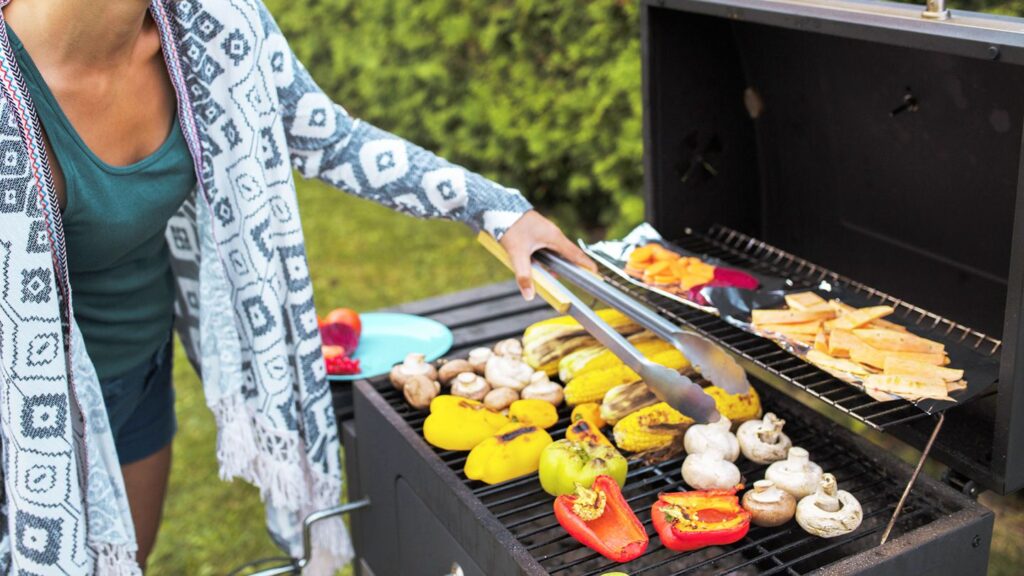
Mental Health Perks of Outdoor Grilling
| Benefit | Description |
|---|---|
| Vitamin D Boost | Natural sunlight triggers healthy hormone production. |
| Stress Relief | Outdoor cooking lowers tension and improves relaxation. |
| Social Connection | Grilling encourages laughter and bonding. |
| Mindfulness | Focusing on the flame and food promotes calm thinking. |
Image placeholder – people laughing around a backyard grill.
When you grill, you move around, breathe deeply, and enjoy life at a slower pace. It’s not just a meal; it’s an experience that nourishes both body and mind.
Are Gas Grills Safer for Healthy Cooking?
Gas grills are safer because they allow better control. You can adjust the heat instantly and prevent flare-ups. With less smoke and no charcoal dust, the air stays cleaner.
Gas grills are safer for health-conscious cooking because they produce less smoke, reduce carcinogen formation, and keep food at a steady temperature.
Some studies show that burning fat on open flames can create harmful compounds. However, using a gas grill with clean burners and moderate heat lowers that risk. Stainless steel surfaces are also easy to clean, preventing buildup of charred residue.
Tips for Safe Grilling
| Tip | Why It Matters |
|---|---|
| Preheat your grill | Kills bacteria and helps even cooking |
| Trim excess fat | Prevents flare-ups |
| Avoid over-charring | Reduces carcinogens |
| Use a thermometer | Ensures safe internal temperatures |
By using smart grilling habits—like flipping food often and avoiding dripping fat—you make your cookouts safer and tastier. Safety and health go hand in hand when the grill is managed well.
How Does High Heat Create Better Flavor Naturally?
The secret is the Maillard reaction. It’s what happens when proteins and sugars meet heat, creating a browned crust and deep aroma.
High heat on a gas grill triggers the Maillard reaction, producing rich, caramelized flavors without extra oil or additives.
When this reaction happens, new flavor compounds form on the surface of the meat or vegetables. The result is that mouthwatering crust you get on steak or mushrooms. Because gas grills reach steady high temperatures, they make this process easy and consistent.
Flavor Formation Stages
| Temperature Range | Reaction | Resulting Flavor |
|---|---|---|
| 250°F–300°F | Early browning | Sweet notes |
| 300°F–350°F | Maillard reaction | Savory crust |
| 400°F+ | Char level | Smoky taste |
Gas grilling gives better flavor with fewer calories. There’s no need for heavy marinades or sauces. Just heat, timing, and fresh ingredients.
Can Gas Grilling Help With Weight Management?
Yes. Because you use less oil and fat, grilled meals are lower in calories. It’s one of the simplest ways to enjoy tasty food while staying in shape.
Gas grilling supports weight management by cutting calories, limiting added fats, and making portion control easier.
When food tastes good and feels light, it’s easier to avoid overeating. Pair grilled proteins with vegetables, and you get a meal that’s satisfying but balanced.
Healthy Grilling Combinations
| Protein | Best Veggie Side | Total Calories (Approx.) |
|---|---|---|
| Chicken Breast | Asparagus | 320 |
| Salmon | Zucchini | 350 |
| Lean Beef | Peppers | 380 |
| Tofu | Broccoli | 290 |
Grilling also keeps you active. You stand, move, and interact instead of sitting down in a kitchen. Small physical movements during grilling add up over time, promoting a more active lifestyle.
Which Foods Are Healthiest to Cook on a Gas Grill?
The beauty of grilling is its variety. You can cook meat, vegetables, and even fruit. Some foods are especially good for health when grilled right.
The healthiest foods for gas grilling are lean meats, fish, colorful vegetables, and firm fruits like pineapple or peaches. They deliver flavor and nutrients without added fat.
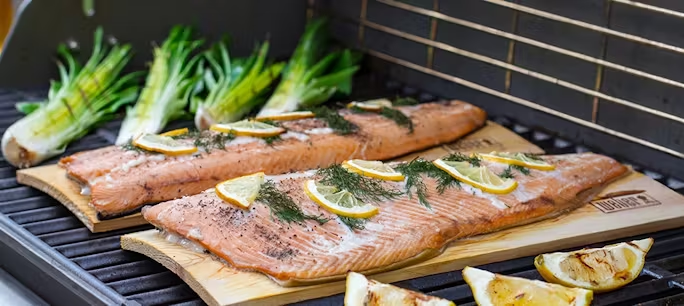
Healthy Grill Food List
| Category | Example | Benefit |
|---|---|---|
| Lean Protein | Chicken, turkey, fish | High in protein, low in fat |
| Vegetables | Peppers, asparagus, zucchini | Rich in vitamins |
| Fruits | Pineapple, apple, peach | Adds natural sweetness |
| Plant-Based | Tofu, mushrooms | Great for vegetarians |
Mixing food types also keeps grilling fun. Try grilling citrus for marinades or lightly oiling veggies for texture. The gas grill’s even heat makes all these foods easy to cook perfectly.
How Do You Grill Safely Without Creating Carcinogens?
Cooking at very high heat or burning meat can form harmful chemicals. Luckily, this is easy to avoid with a few simple habits.
You can grill safely by avoiding over-charring, trimming fat, cleaning the grill often, and using moderate heat to prevent smoke buildup.
Safe Grilling Checklist
| Action | Why It Helps |
|---|---|
| Preheat for 10 minutes | Evens heat, kills bacteria |
| Avoid direct flames | Prevents burning |
| Use lean cuts | Reduces dripping fat |
| Clean after each use | Stops residue smoke |
Image placeholder – hand using a brush to clean grill grates.
Gas grills are easier to control than charcoal ones, so it’s simple to maintain the right heat range. A thermometer helps ensure meat is cooked but not burned. This keeps flavor without health risks.
Conclusion
Grilling with a gas grill is more than a cooking method—it’s a healthy habit. You eat food with less fat, more nutrients, and amazing taste. You get sunshine, laughter, and movement while preparing each meal. With a gas grill, every cookout becomes an investment in your health and happiness.
Holagrills continues to design stainless steel grills that make outdoor cooking safer, smarter, and more satisfying. So light the burners, step outside, and enjoy healthy living—one meal at a time.
FAQ
Is a gas grill better than charcoal for cancer risk?
Gas grills are generally safer because they produce less smoke and allow better temperature control than charcoal grills, which reduces harmful compounds formation. City of Hope Cancer Treatment Centers+2A Healthier Michigan+2
Does grilling food always cause cancer?
Not always — occasional grilling is unlikely to cause cancer. Risk rises when meat is often cooked at very high heat or heavily charred. UCLA Health+1
How can I reduce carcinogens when grilling meat?
You can marinade meat before grilling, avoid charring, use lean cuts, grill at moderate heat, and grill more vegetables or fruits. American Institute for Cancer Research+1
Are vegetables and fruits safer on the grill than meat?
Yes. Grilled vegetables and fruits do not form the same carcinogens (HCAs/PAHs) as meat does under high heat, so they are a safer grilling choice. American Institute for Cancer Research+1
Does cooking on a gas grill help retain nutrients?
Yes. Gas grilling cooks fast at high but controlled heat and uses no added water, so vitamins and minerals stay more intact than in boiling or heavy frying.
Can gas grilling help with weight control?
Yes. Because grilling reduces fat and uses little added oil, meals are lower in calories, making it easier to manage weight healthily.